Sunday: Nimes

We took a side trip from Arles today and drove to Nimes, about a half hour away. Nimes has ancient Roman ruins that are wonderfully preserved and right in the middle of the city.

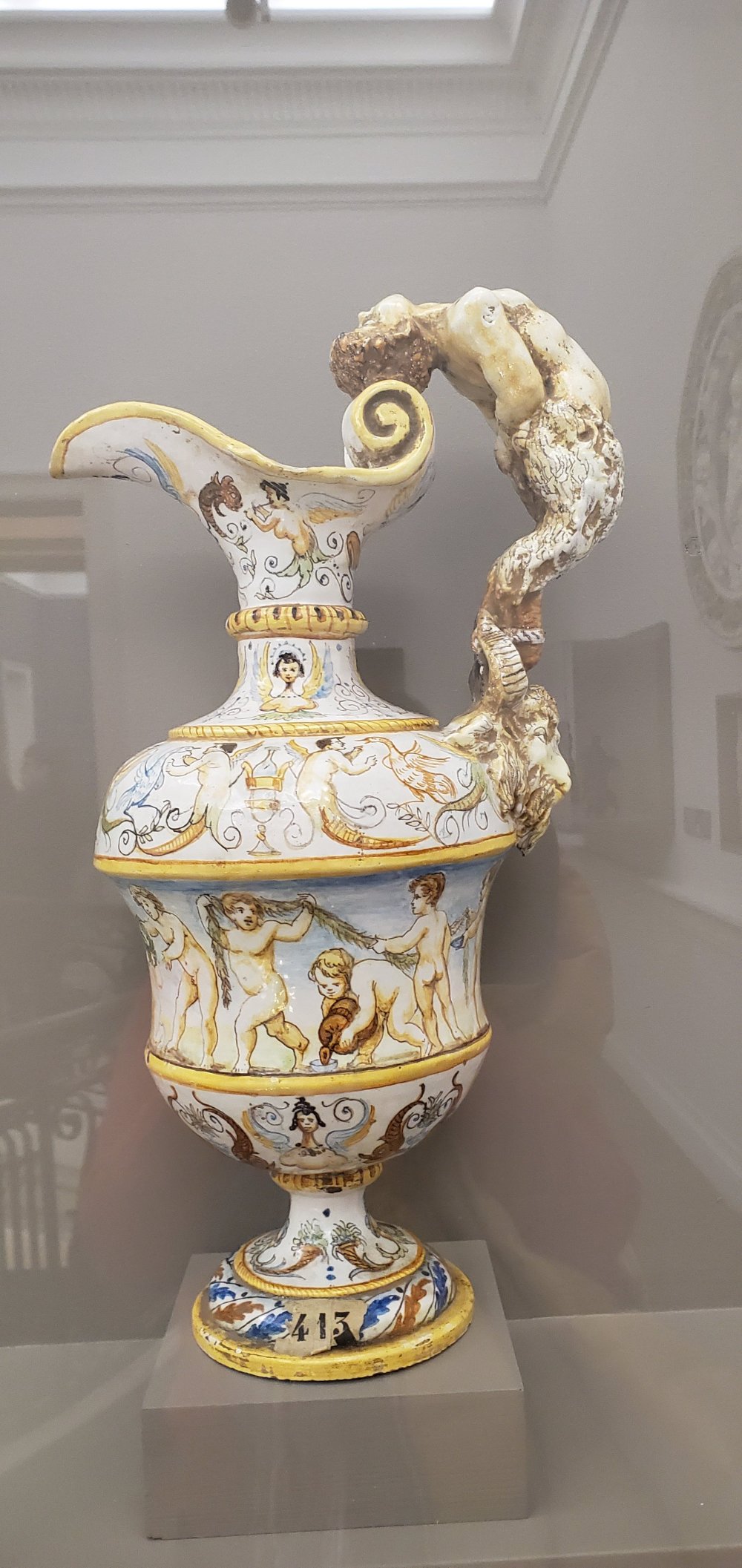
We visited the Musee des Beaux Arts first, with masterpieces from the 1400s and 1500s, and others from more modern times (1600s to late 1800s). They have a beautiful restored mosaic in the main room, and some interesting sculptures throughout the museum. It was a nice visit.

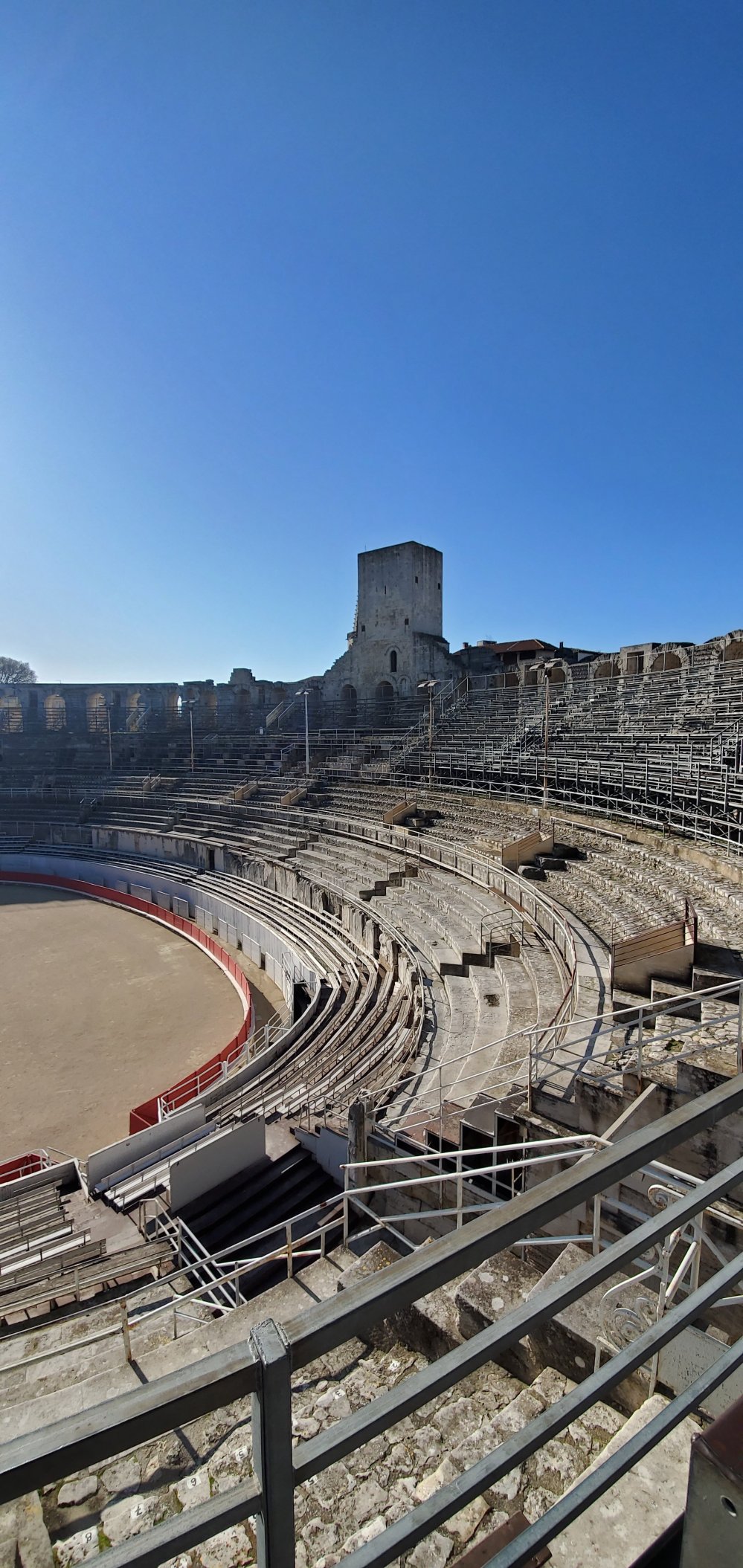
The amphitheatre was our next stop. It is right in the center of the city and similar to the one in Arles – maybe a little smaller. The arena was used for bullfights, animal fights, and even public executions back in the day and it is still used for bullfights and miscellaneous performances.

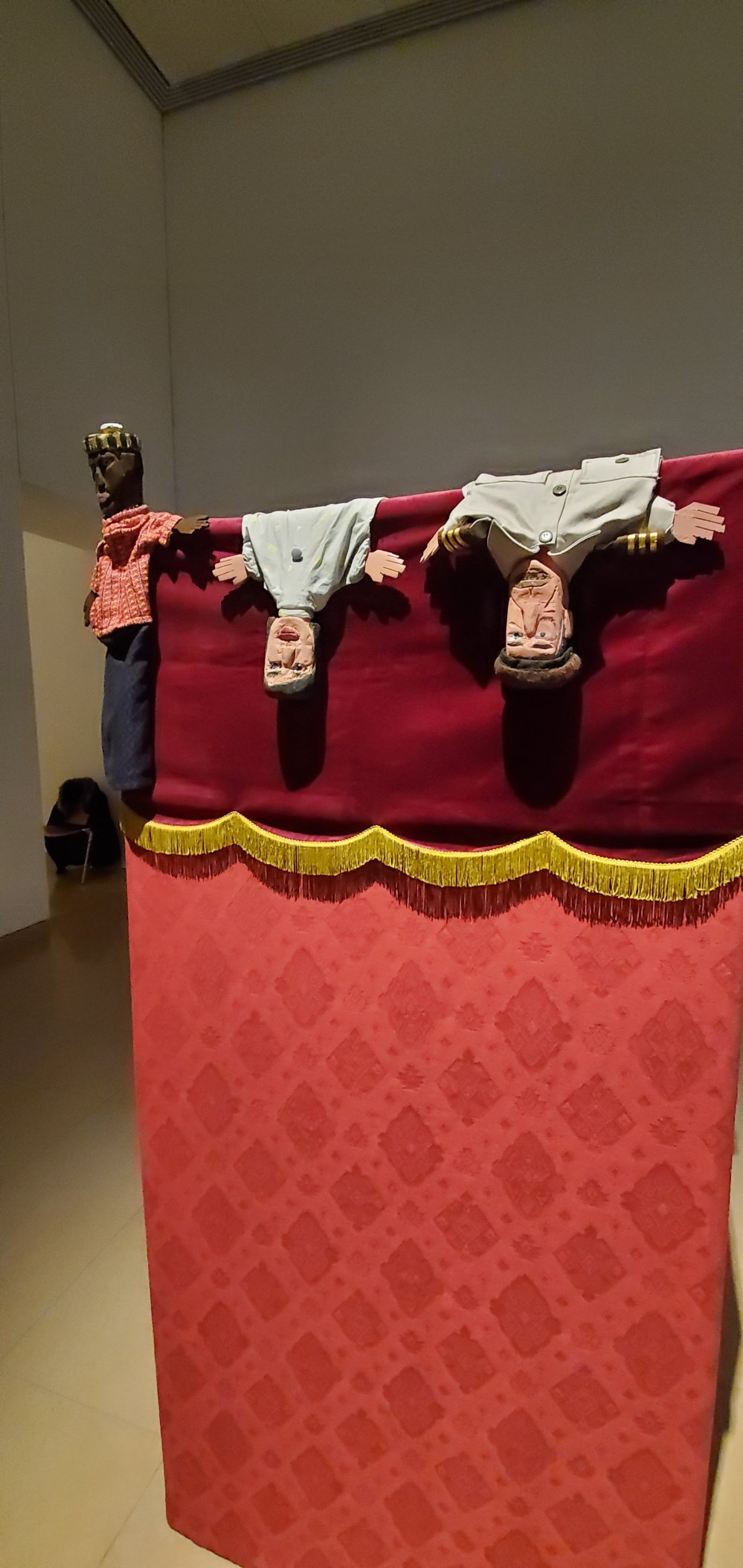
We also visited the Carre d’Art, a contemporary art museum which was featuring an exhibit of Peter Friedl’s presentation: Teatro Popular. This exhibit was honoring 18th century Portuguese street performer Dom Roberto. It was an interesting presentation, although the rest of the museum – its very modern permanent collections – were not as appealing especially after seeing the ancient masterpieces earlier.

We ended the day back in Arles and will drive to Vichy in the morning.

photos: a jug from the 1500s at the Museum des Beaux Arts; the Nimes amphitheatre; part of the Peter Friedl exhibit – puppets
Saturday: Arles

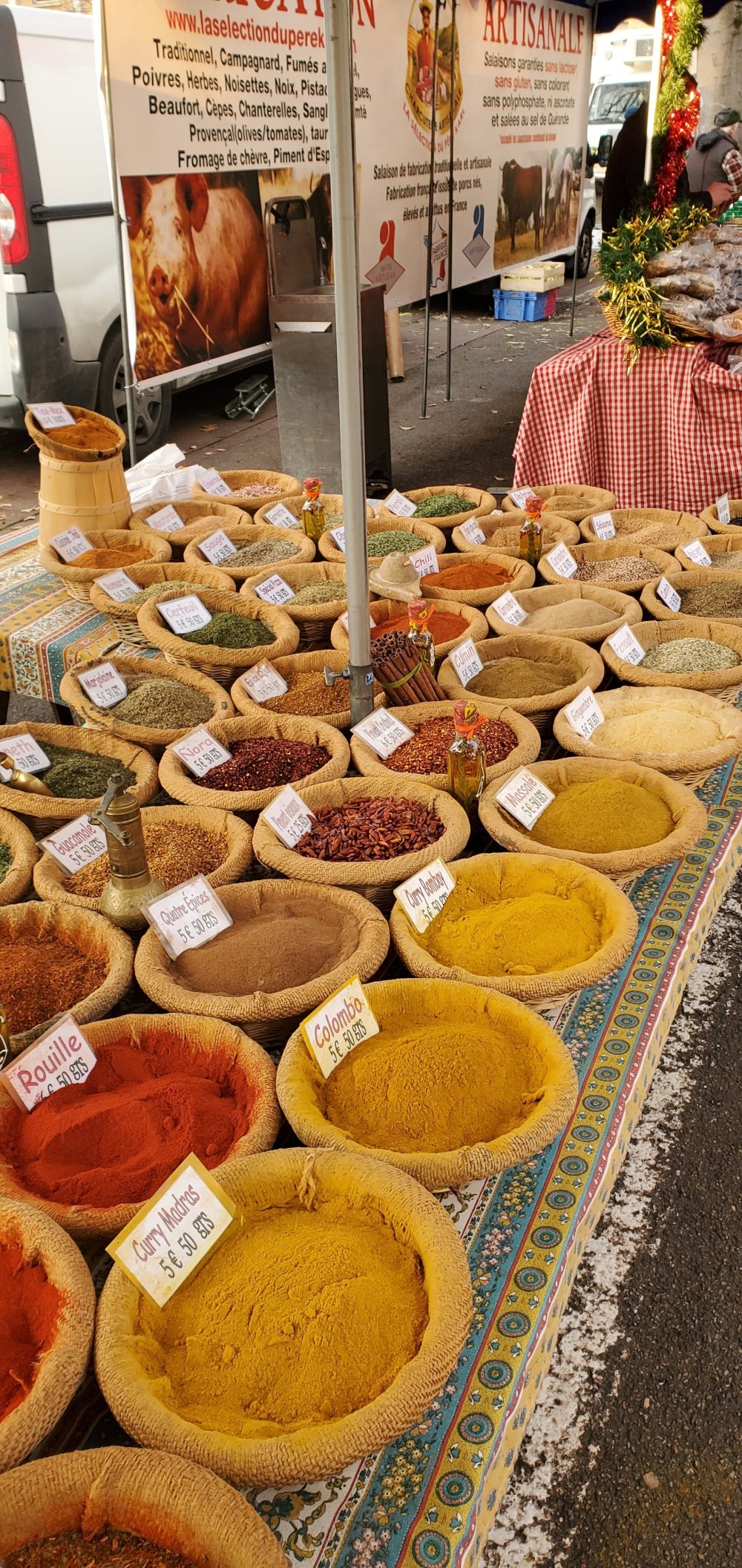
Saturday is market day in Arles and the amount of vendors selling everything imaginable is huge. There are baked goods, paella, chicken turning on a rotisserie, and many kinds of fish. Clothing, books, and household supplies are all there, and so are fruits and vegetables. I walked straight down the street for a half hour and still saw more sellers.

I bought a French language Little House on the Prairie and another book that the kind bookseller proudly found for me – a book in English. Not that I needed any more reading material.

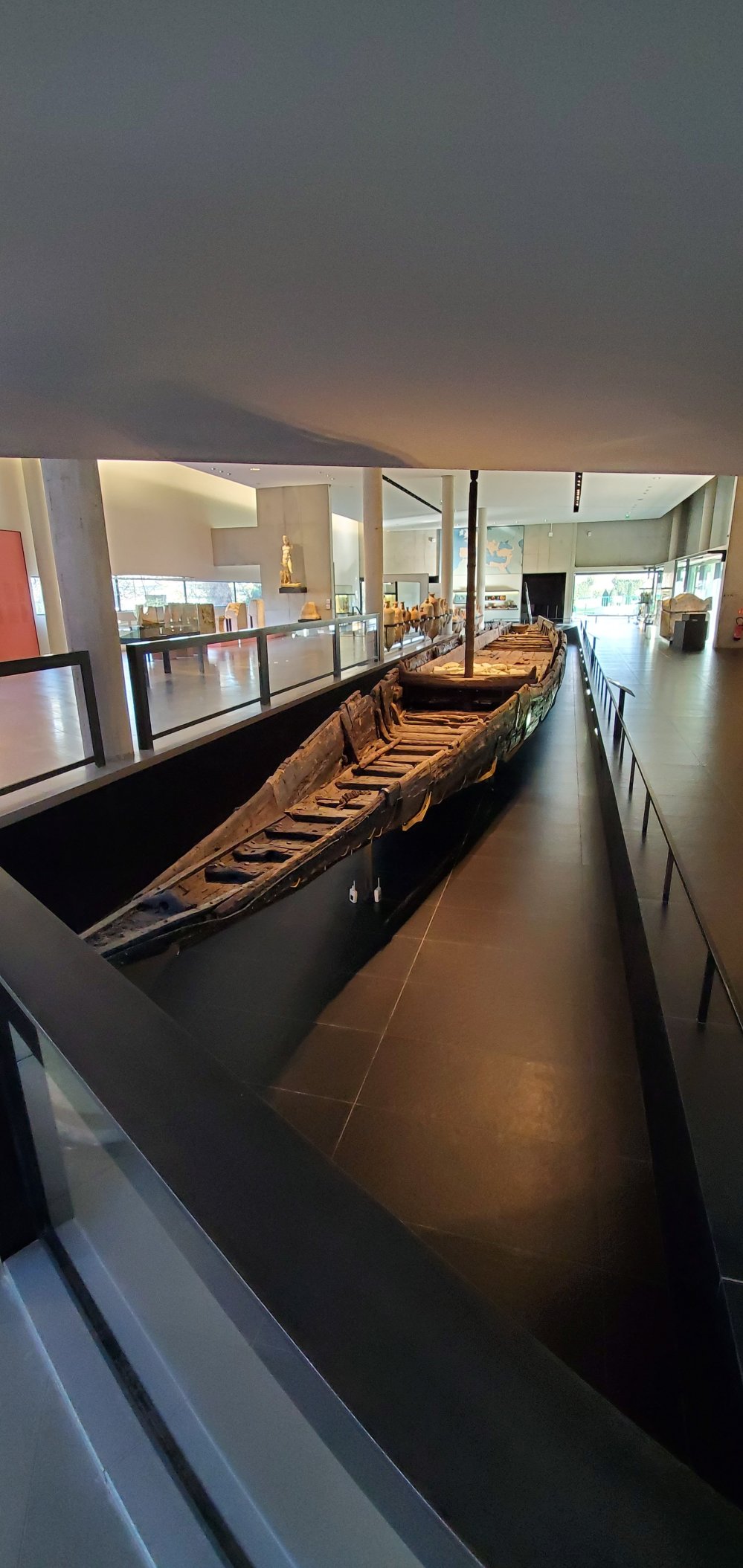
We had apple pastries and coffee at the market, then headed to the Arles Archaelogical Museum, where a Roman barge from 50 A.D. was excavated from the Rhone River about 15 years ago. It was hard to believe the boat was found in such great shape although it required three solid years of intense work to preserve and reassemble it.

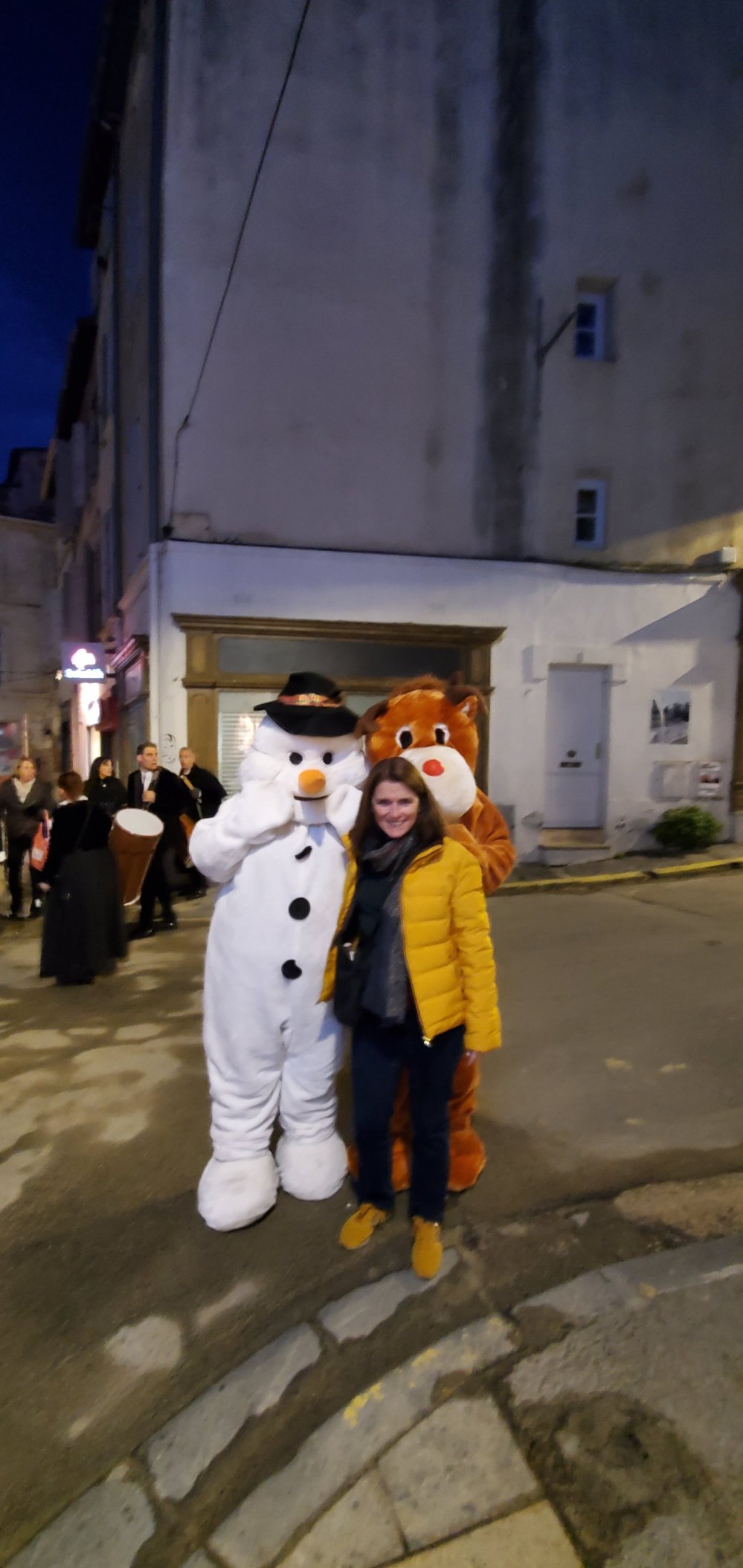
There was a small Christmas parade through the streets later in the evening, with a horse, bagpipes, Santa, and a snowman who encouraged ne to pose with him and his bear friend.


photos: at the Christmas parade; the Arles-Rhone 3 barge; spices for sale at the market

Friday: Arles

We began to explore the city today, and with sunny skies and temperatures in the high 50s, it was a very good day to walk around.

We found a coffee shop near where we are staying and as luck would have it, croissants had just come out of the oven. One of those, plus cappuccino, was the perfect start to Friday.

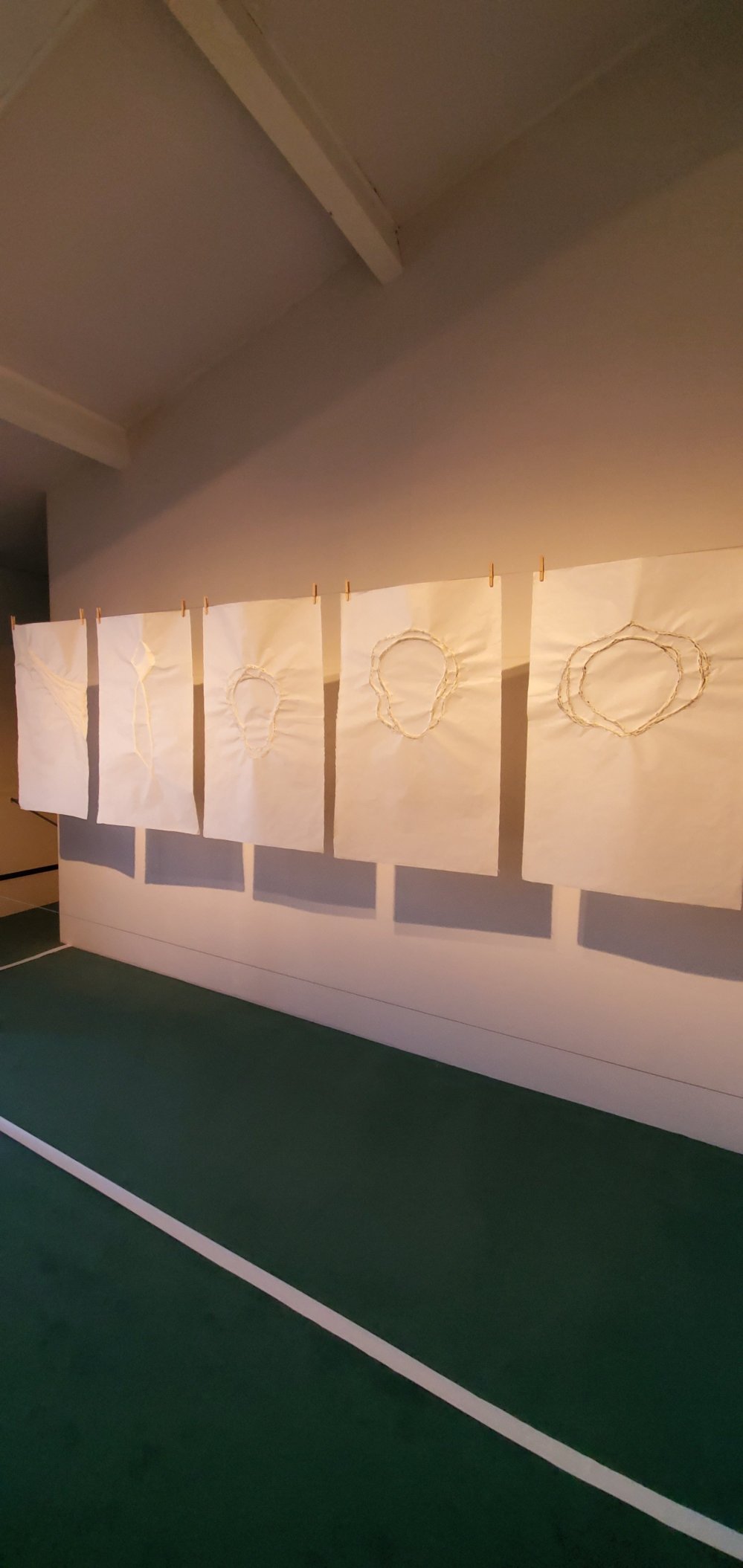
We walked to Museum Reattu, with art from the 1700s to present day. It had quite a few Picasso sketches and two of his paintings. Most of the more contemporary art was not my favorite: a circle cut in half, an overexposed man’s face, colored rectangles hanging from the ceiling like a middle school art room. But the museum is housed in a very old convent and the building was a treat to walk around.

Next we went to the old Roman amphitheater – actually the ruins of the theater. It is still used for bullfights in April and May, and since it is still generally in its original condition, it was a wonder to see. There were some feral cats sleeping on the stone bleachers, one was walking around and as big as a fox. So I didn’t walk around the entire amphitheater.

photos: a perfect start to the day; gathered paper with glue = not my idea of art; the ancient amphitheater

Thursday: Arles

We left Mantry, France early to drive to Arles. It was only intended as an overnight stop and there was nothing we were interested in seeing there – and didn’t want to wait for shops to open. We had a 4.5 hour drive ahead of us.

It was well below zero Celsius and there was frost all over as we drove south. I tried to assess whether the trucks on the highway were taking part in the strike here today and purposely slowing down – especially as we approached Lyon – or just driving cautiously. It didn’t really matter since there was little traffic on our route. It sounds like Paris is a mess.

We stopped for lunch in Flaviac, a small town on the Rhone River. The staff was so kind to us and I’m sure they rarely have Americans visiting. It was a treat for all of us.

We continued on to Arles and arrived in the late afternoon. After getting settled we checked out the city and will visit some of the many points of interest in the days ahead.

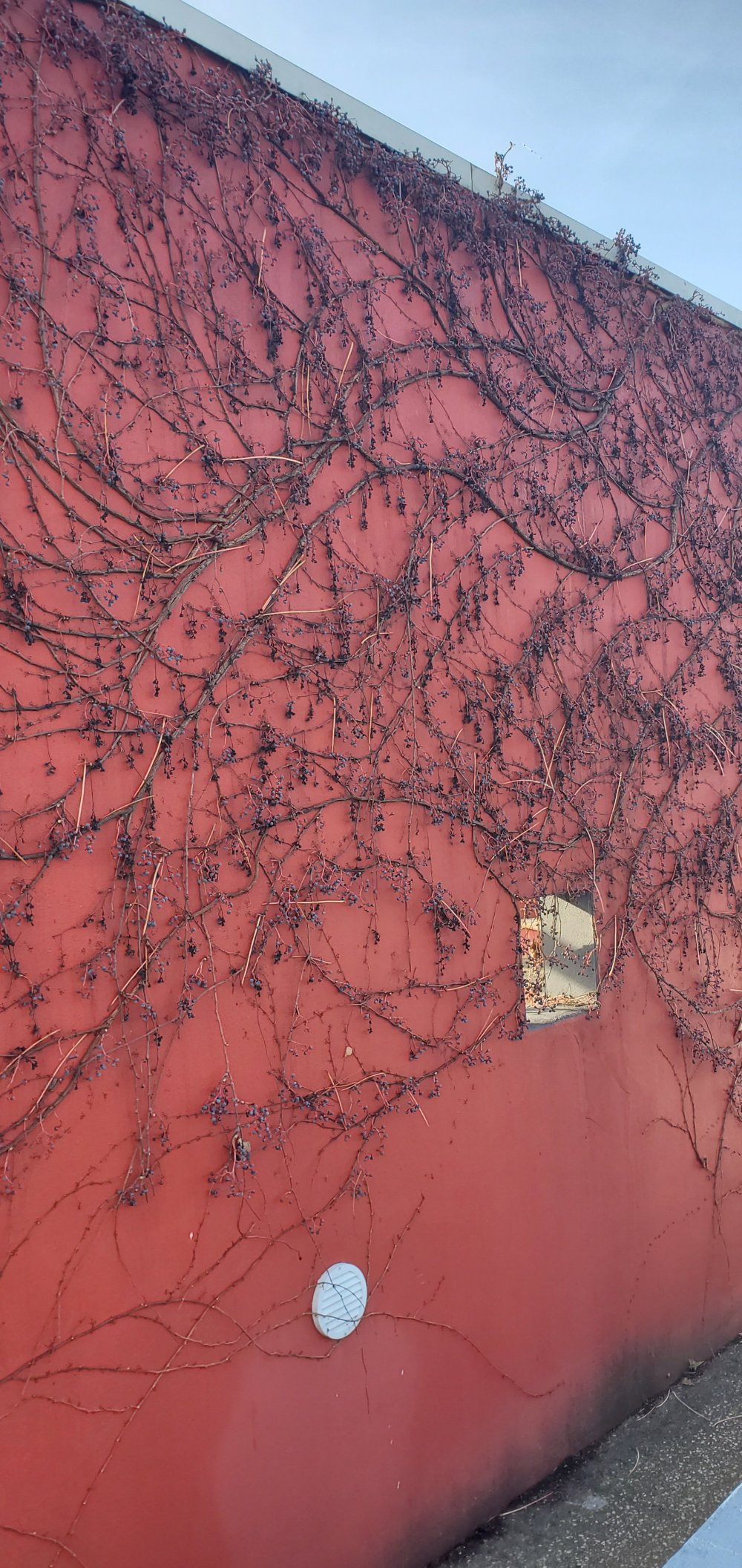
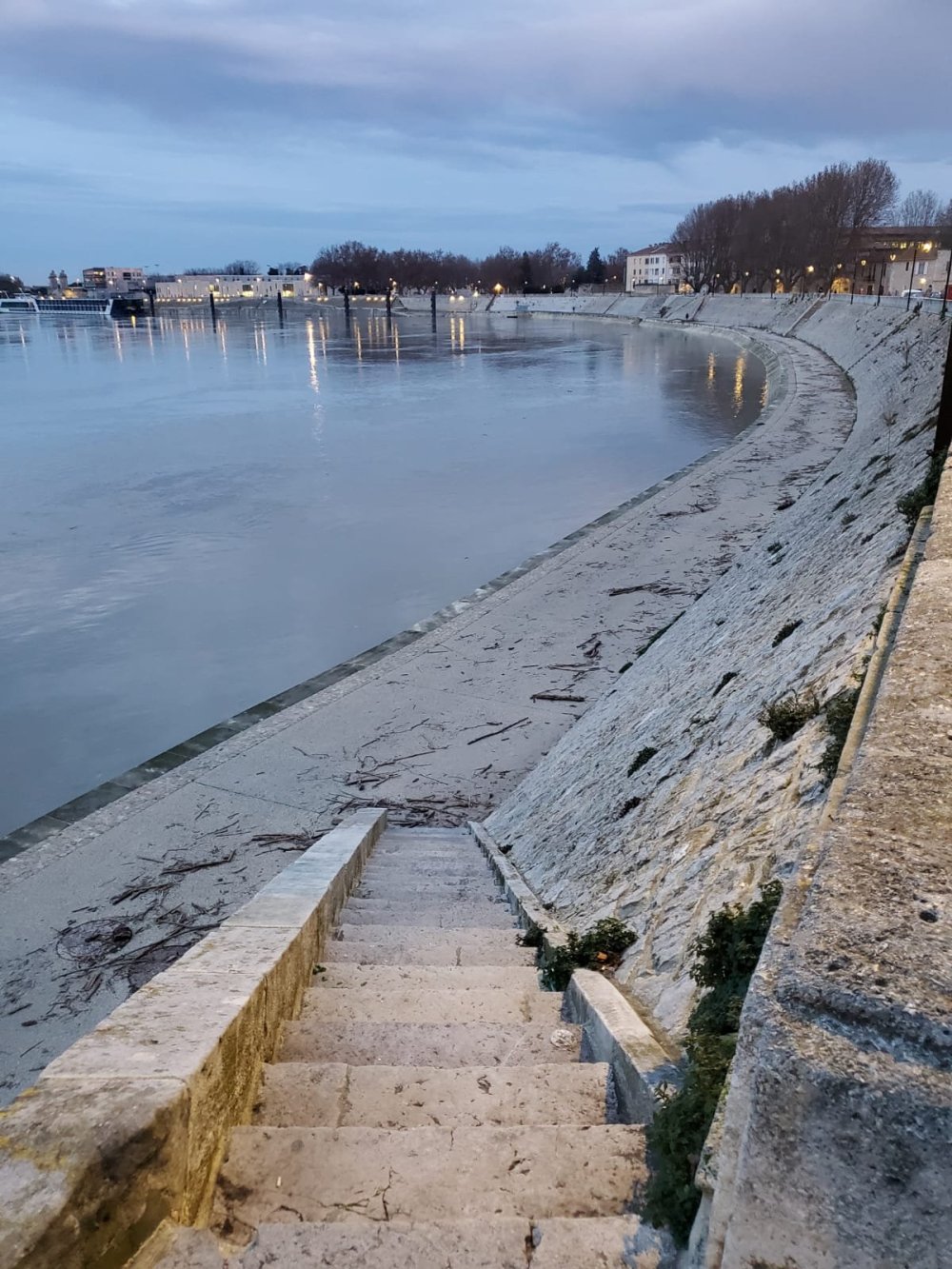
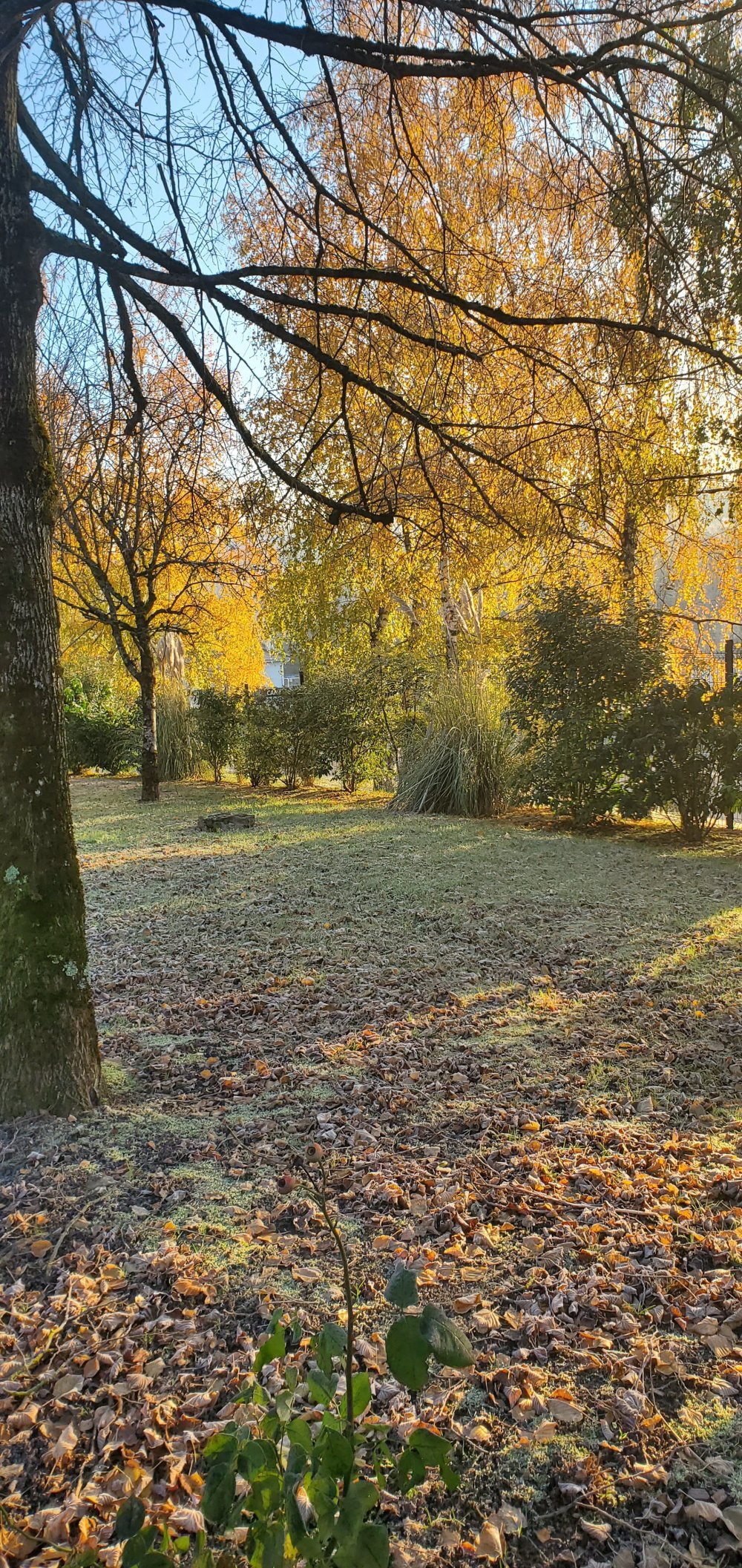
photos: an interesting wall a few miles from Flaviac; the Rhone River in Arles; a pretty area near where we stayed last night in Maltry, France

Wednesday: Colmar, France

We left Strasbourg this morning and drove to Colmar, about an hour away. Colmar is where Frederic Bartholdi was born – the Statue of Liberty sculptor – and the town celebrates him with a museum and his name on some buildings and businesses. Since the museum wasn’topen until later in the afternoon, our plan was to visit the Unterlinden Art Museum there, but there was also a holiday market.

The museum was interesting, but the market was excellent. We got a few gifts and some hot cider in their Calmor Christmas mug.

We had lunch in a restaurant near the museum and walked around the city center, checking out the holiday decorations. It was very cold out, so we left and headed south toward Arles, where we will spend a few days. It is seven hours away, so we won’t get there today.


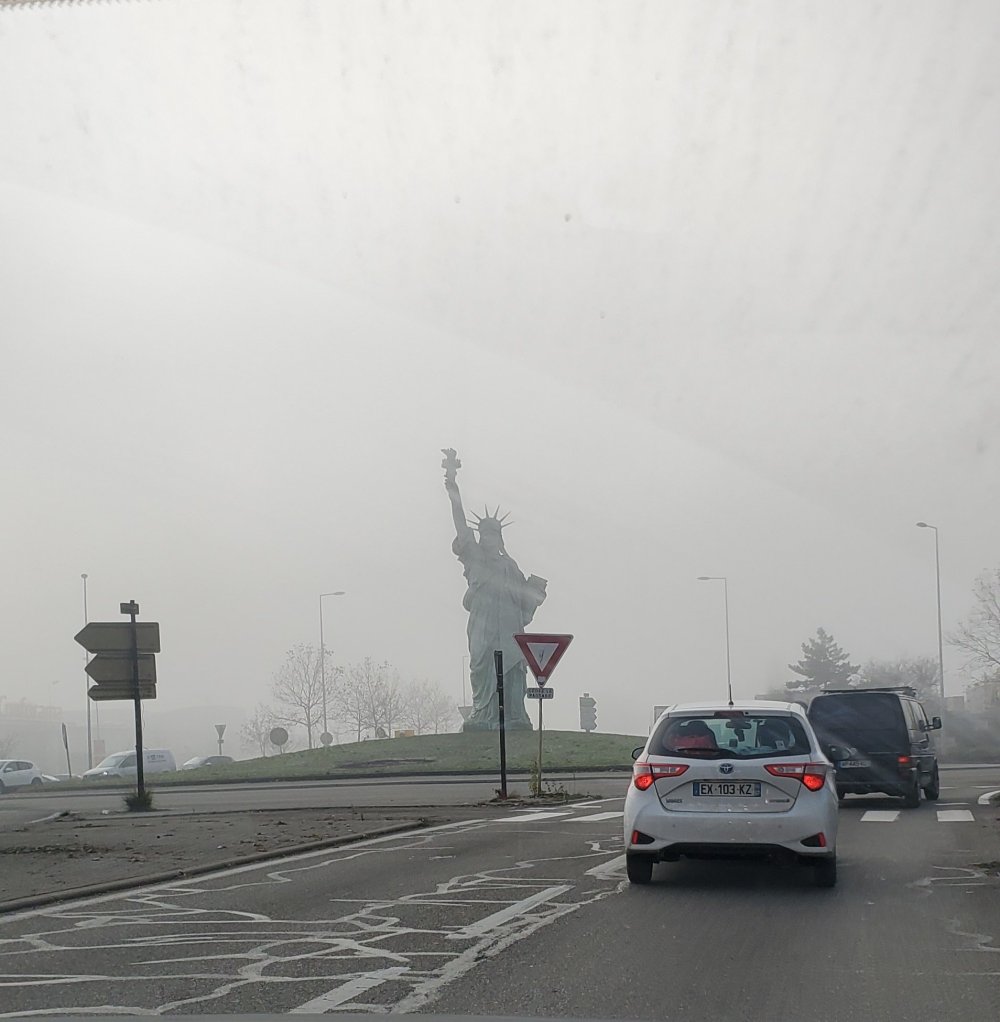
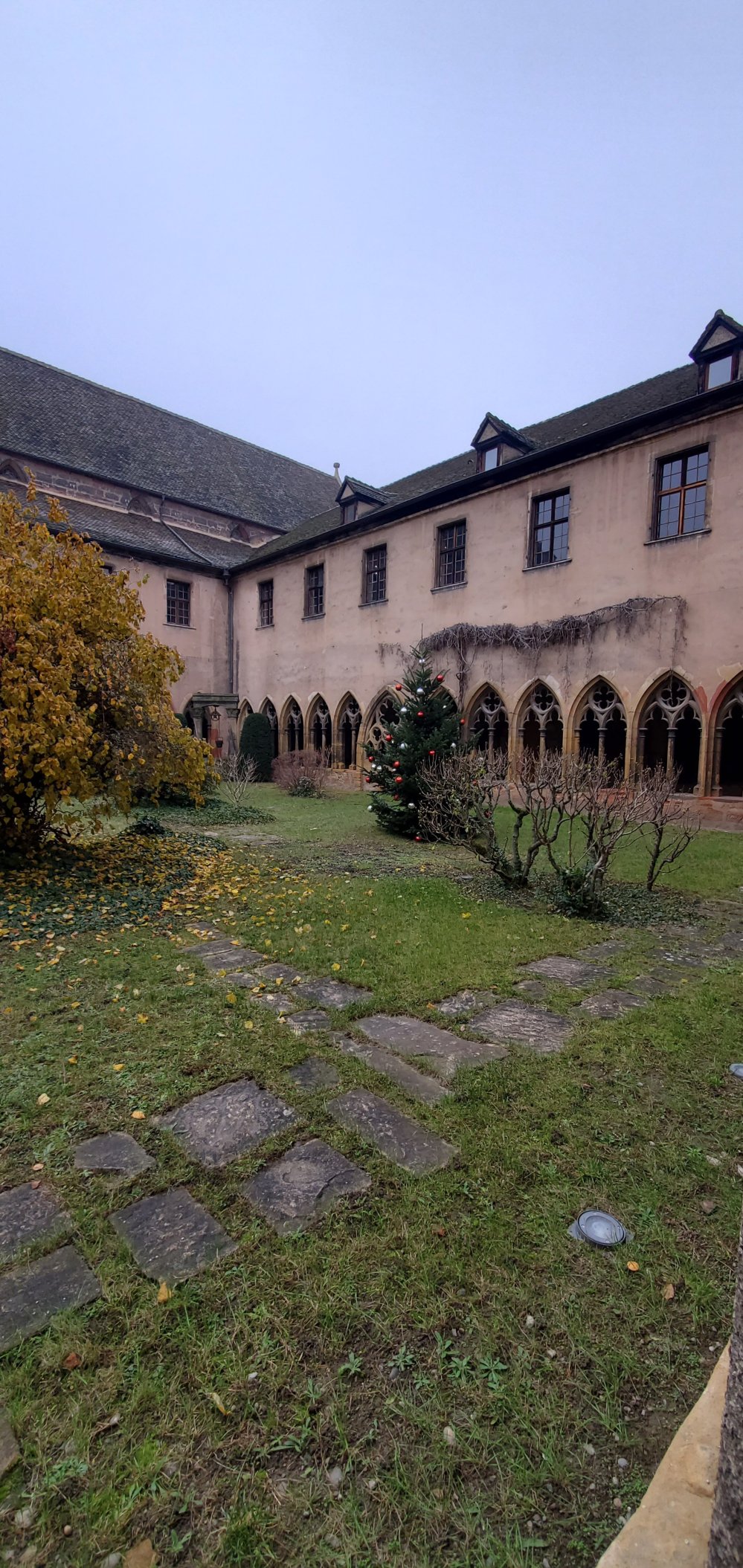
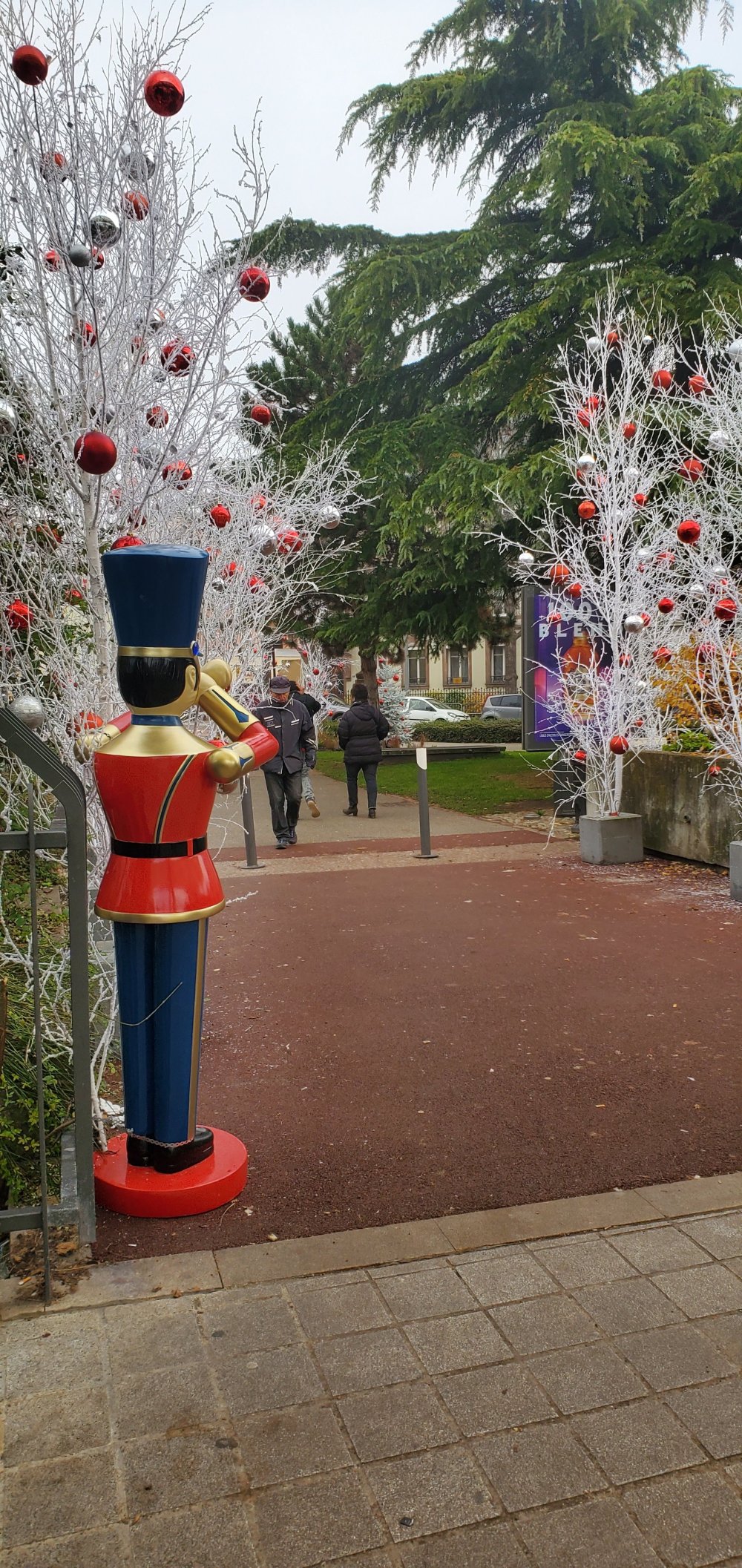
photos: a Statue of Liberty replica in the center of a roundabout. It was very foggy; at the Unterlinden museum; the entrance to the holiday market

Tuesday: Strasbourg

We explored Strasbourg today, checking out the Christmas markets, Petite France – the historic part of the city, the huge Cathedral, some ice skating, and the shops. Strasbourg is such a lively place, and the River Ill adds some beautiful ambiance to the city.

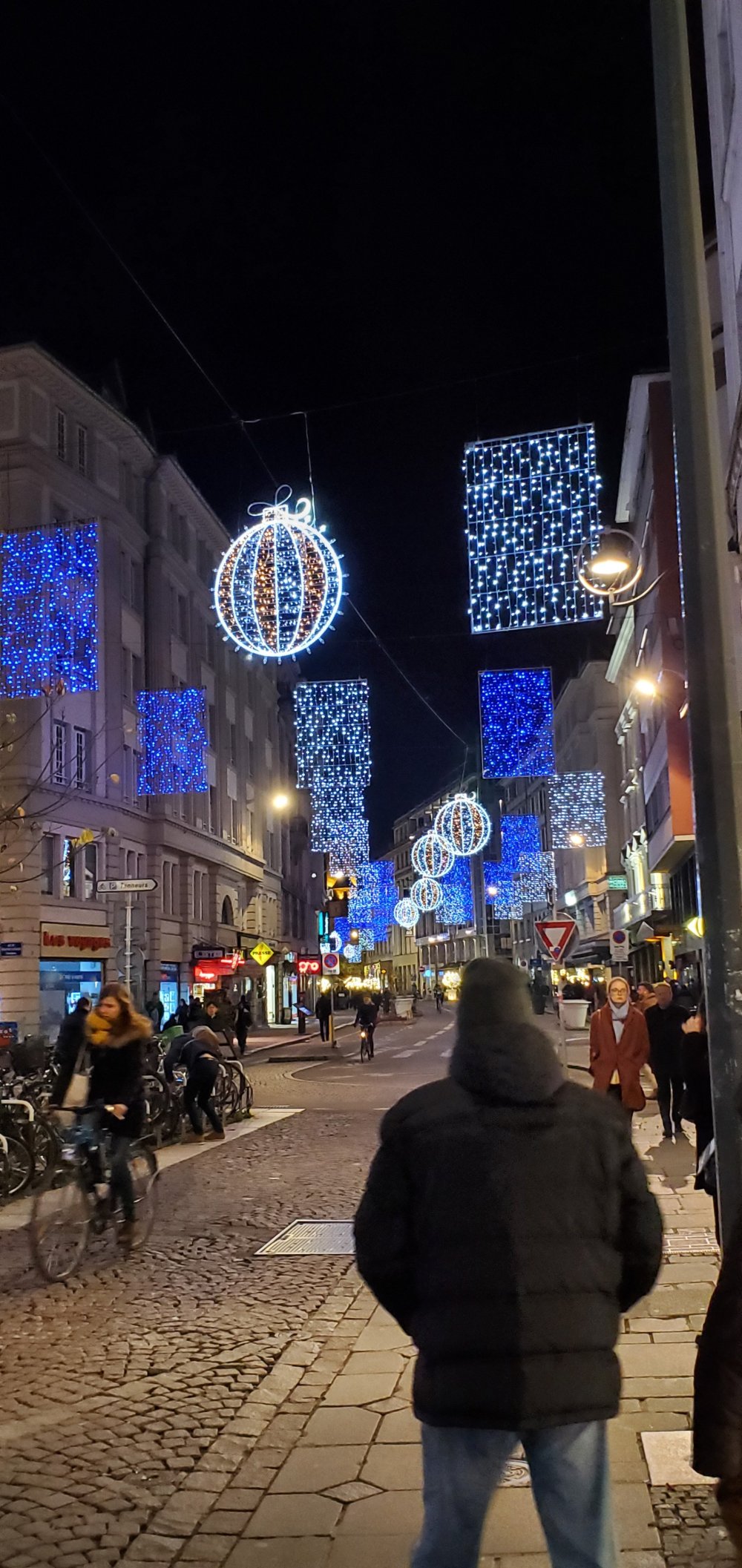
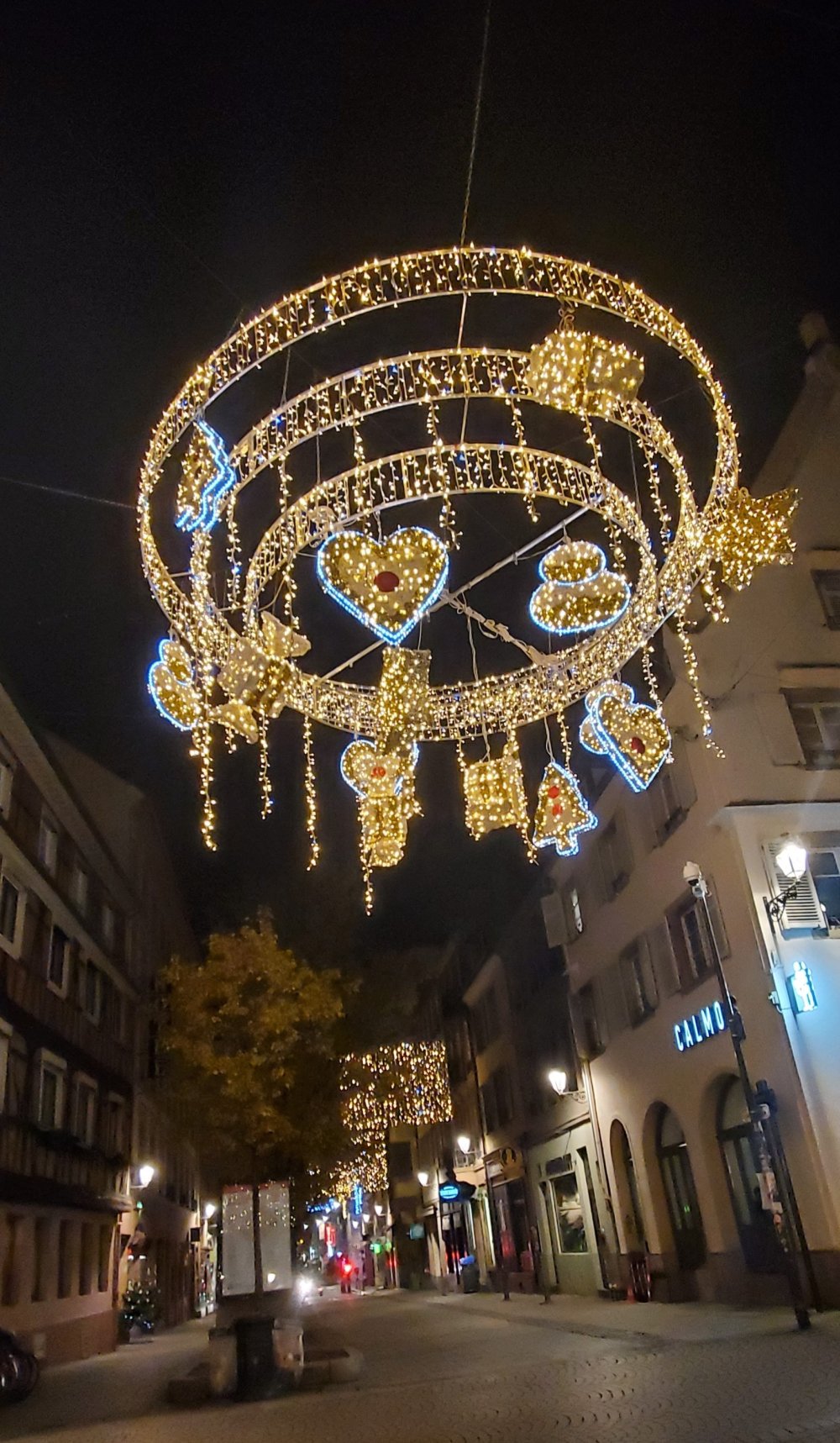
The decorations in the cities we have visited are all unbelievably extravagant and unlike anything I have ever seen. Strasbourg is no exception. It calls itself the “capital of Christmas,” and the lights and displays are on every street.

There is a huge police presence throughout the city and most of the officers are cradling their cocked weapons as they walk or stand, and they are constantly looking all around. It is unsettling to observe, but if prevents a repeat of last year’s December terrorist attack here, it is necessary.


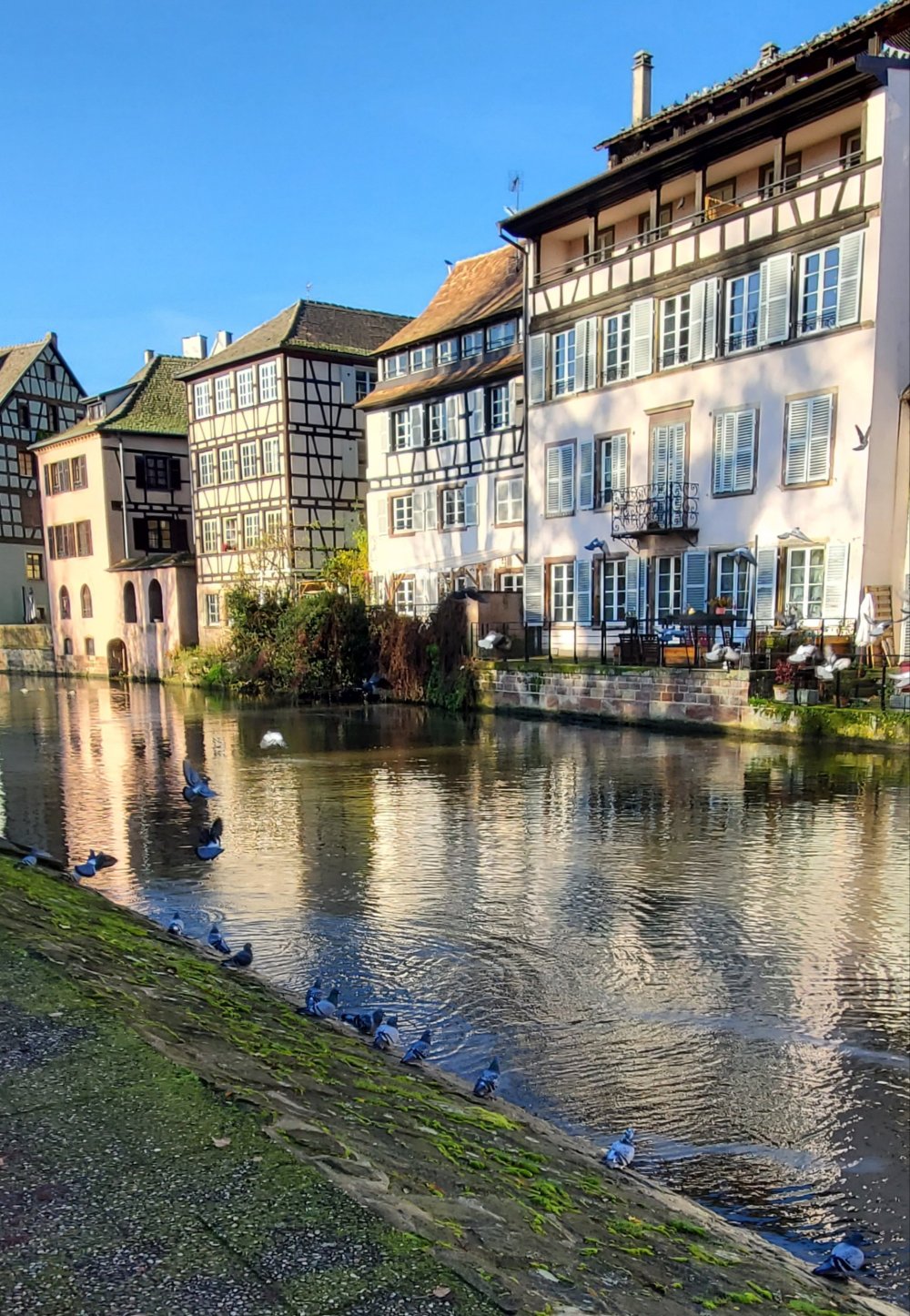
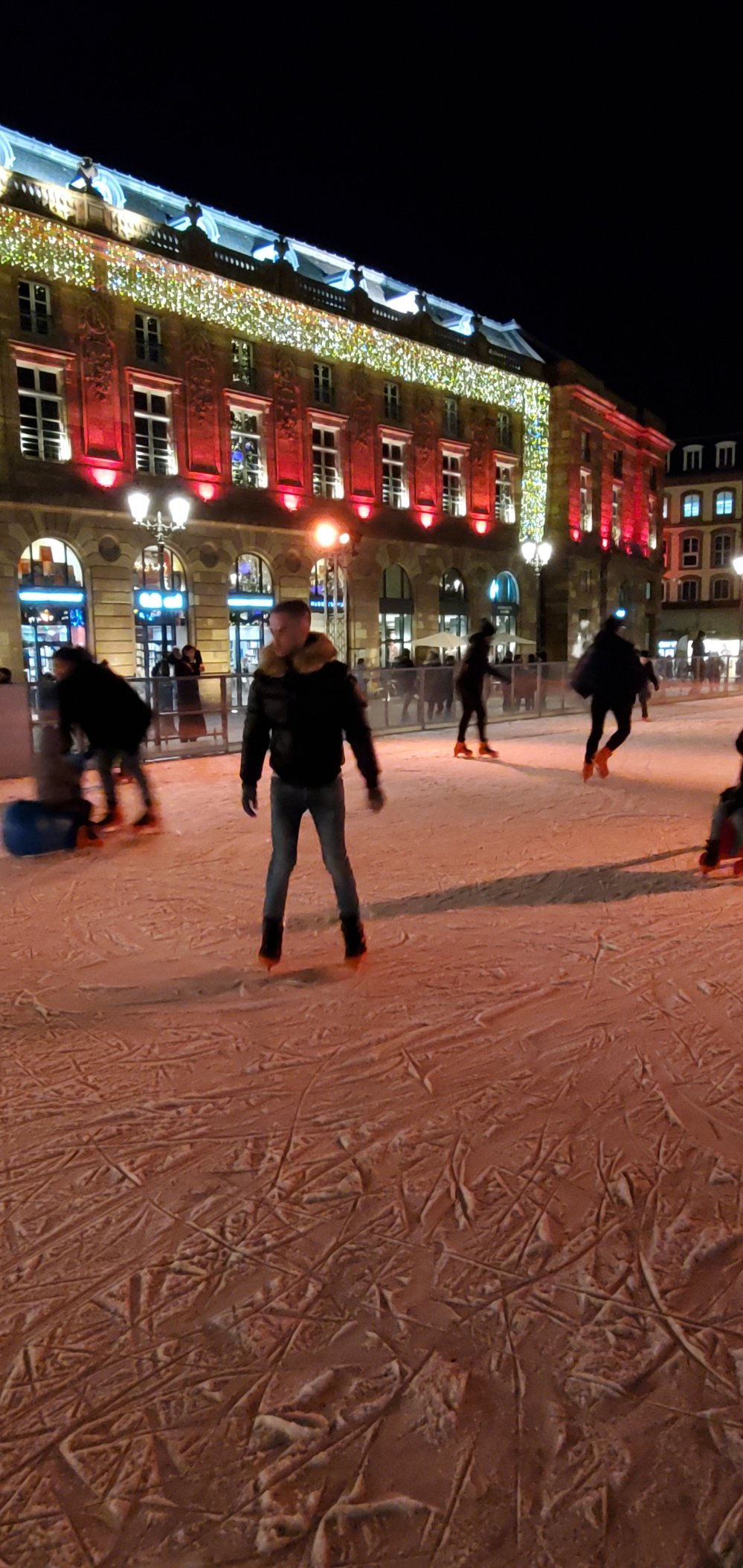
photos: the Ill river, running through the city; ice skaters. The rink seems to be a very large piece of plywood and somehow a thin layer of snow is spread on top. Skaters rent orange plastic skates they strap to their shoes – regular ice skates wouldn’t work; the decorations on one street in the city

Monday: Strasbourg

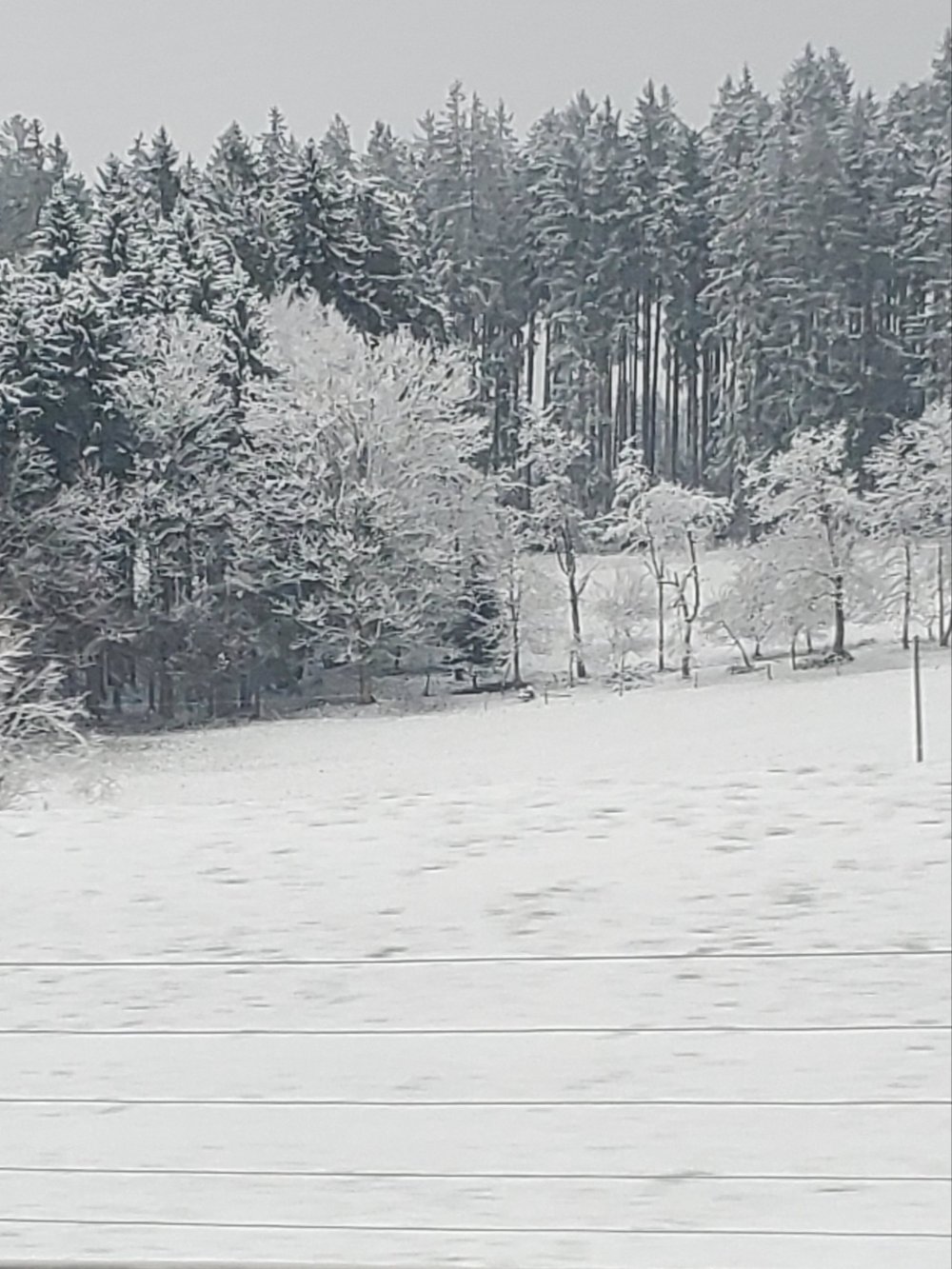
Today was a driving day: Salzburg, Austria to Strasbourg, France. The distance is about 5 1/2 hours but with snow coming down when we left this morning then a complete nightmare of the center of the city being closed off for security reasons, it took us closer to seven hours.

Last year at this time, the Strasbourg Christmas Market was the scene of a terrorist attack, with people killed and injured. This year there is no entry to the city at all by car, so we parked at a garage and walked to where we are staying. We got to a checkpoint and were stopped by police to open our luggage. We didn’t understand it all at first, but remembered the whole awful tragedy once we arrived at our lodging and talked with people there.

Strasbourg is a bigger city than I realized, so we will enjoy checking it out tomorrow. We had dinner at one of the few restaurants open on Monday, and by the time we were finished the market was closed for the day and the streets were quiet.


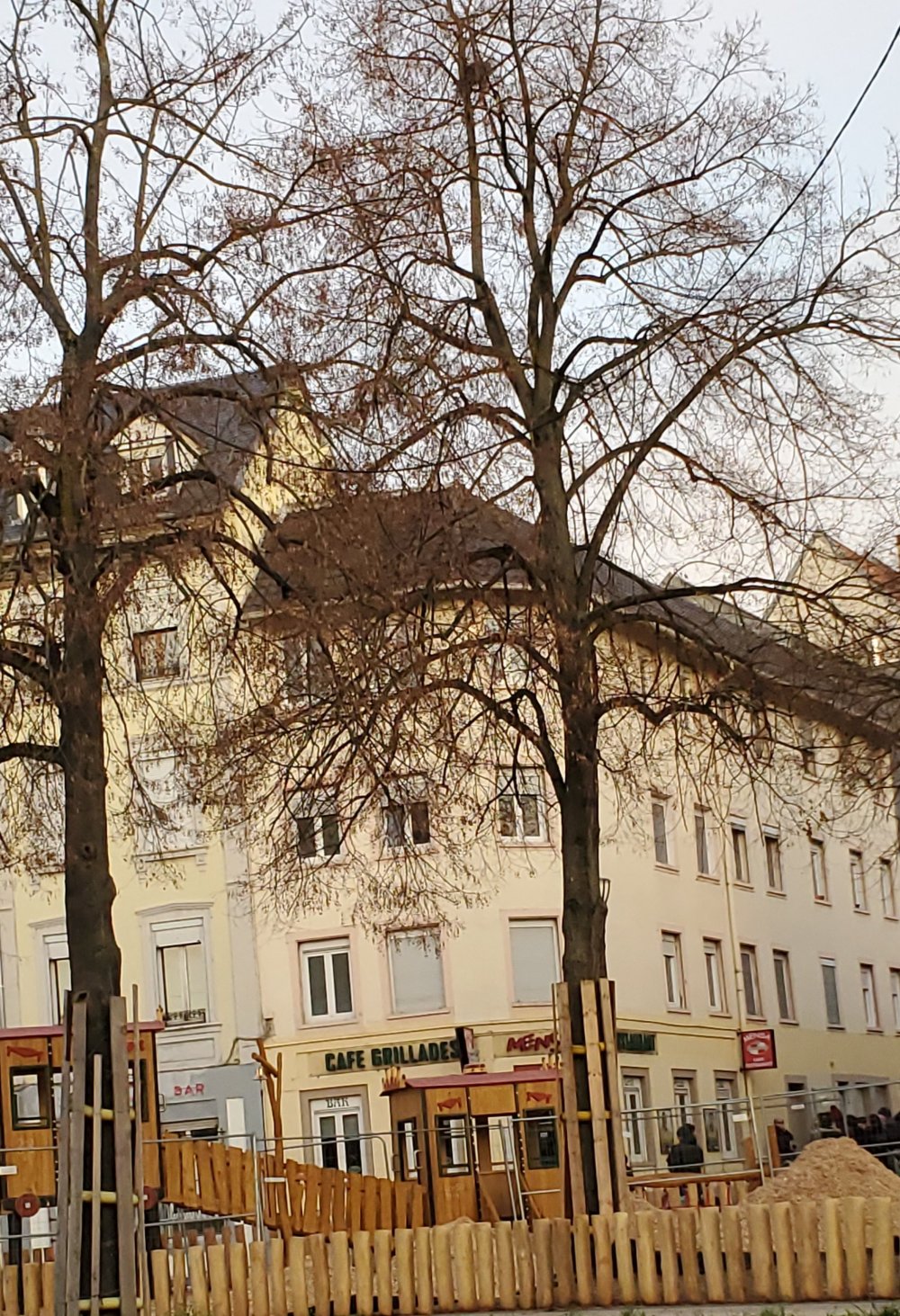
photos: snow in Salzburg this morning; decorations we walked by in Strasbourg this evening; a building in the city

Monday: Trieste

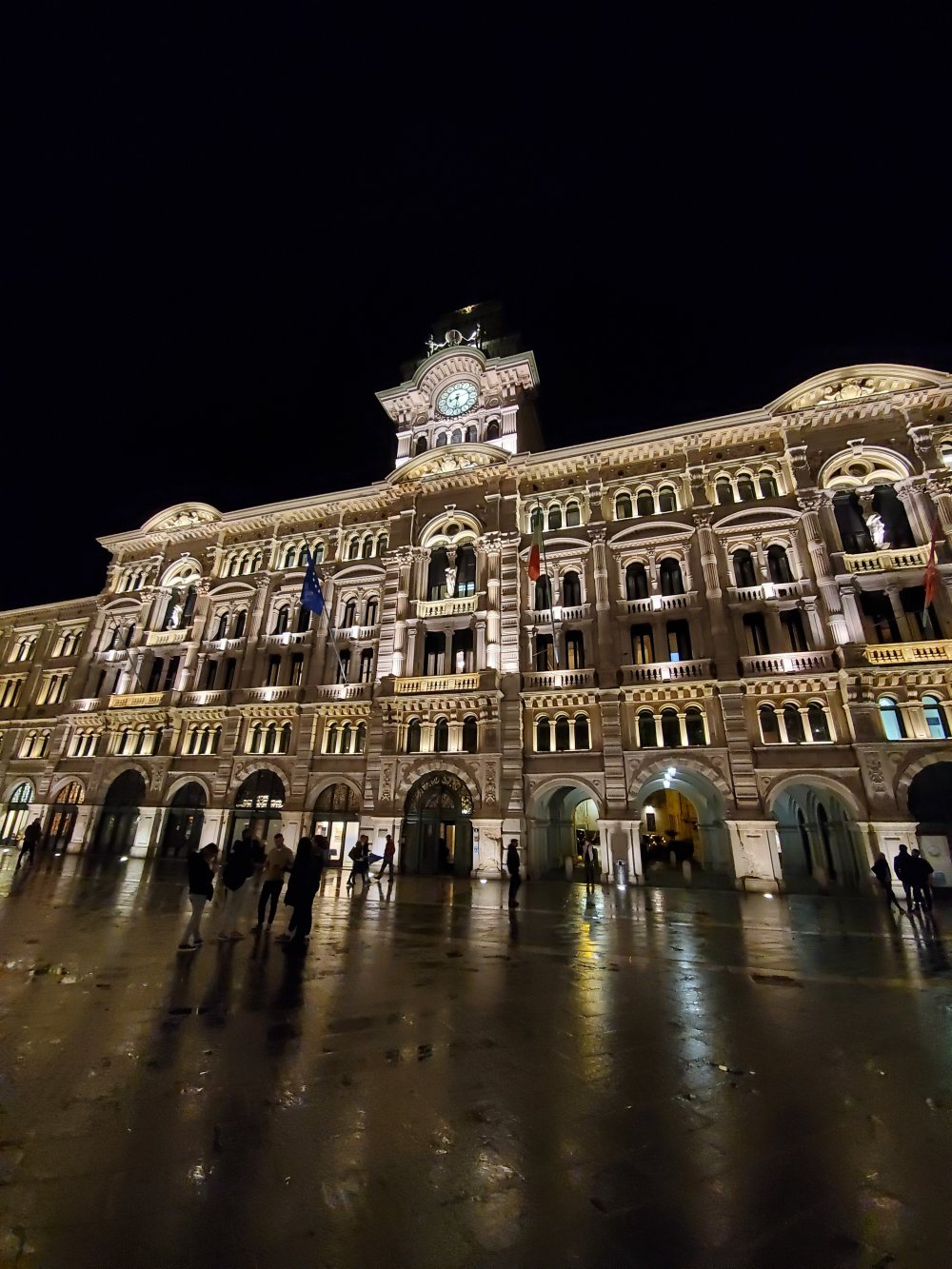
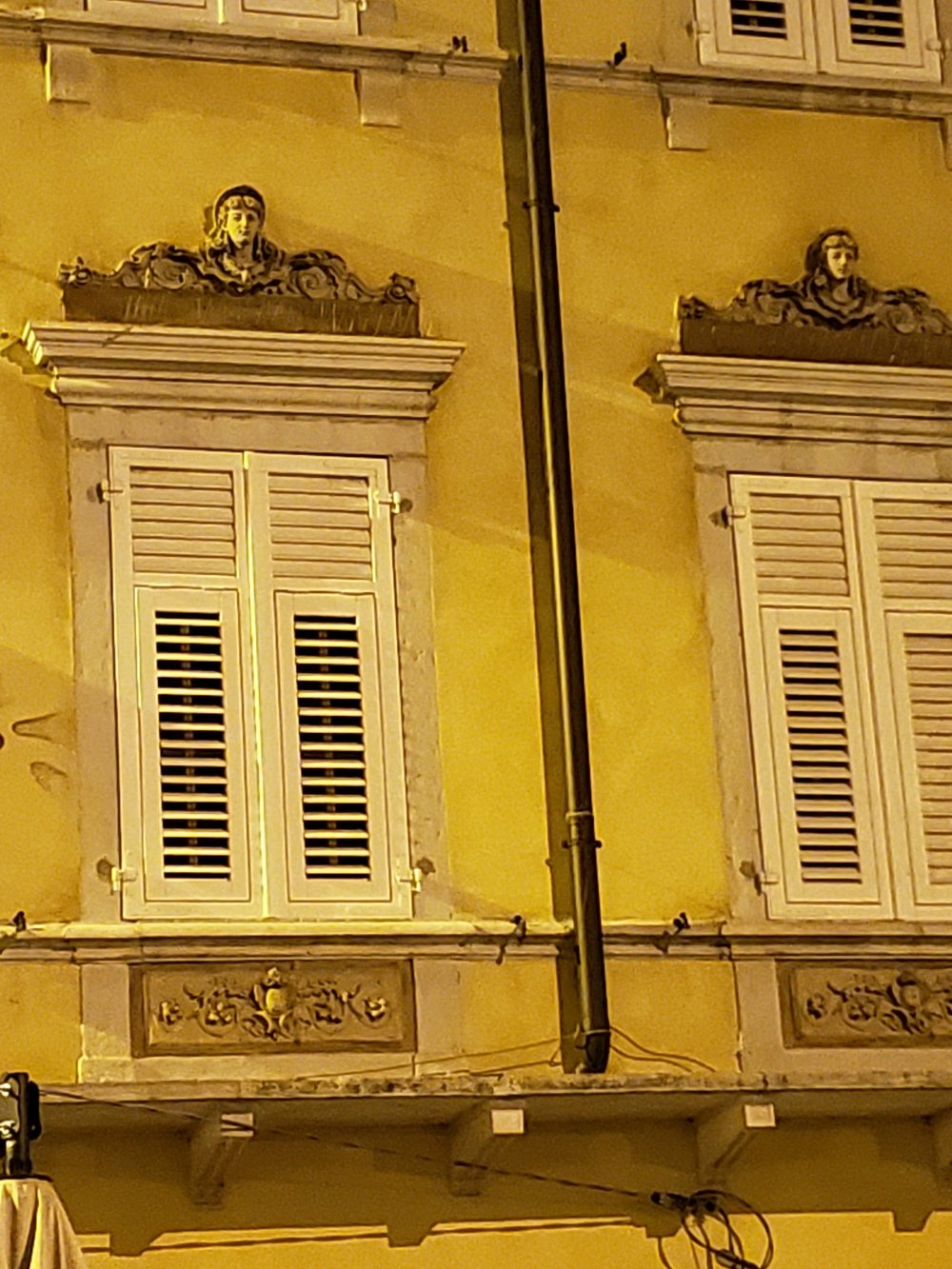
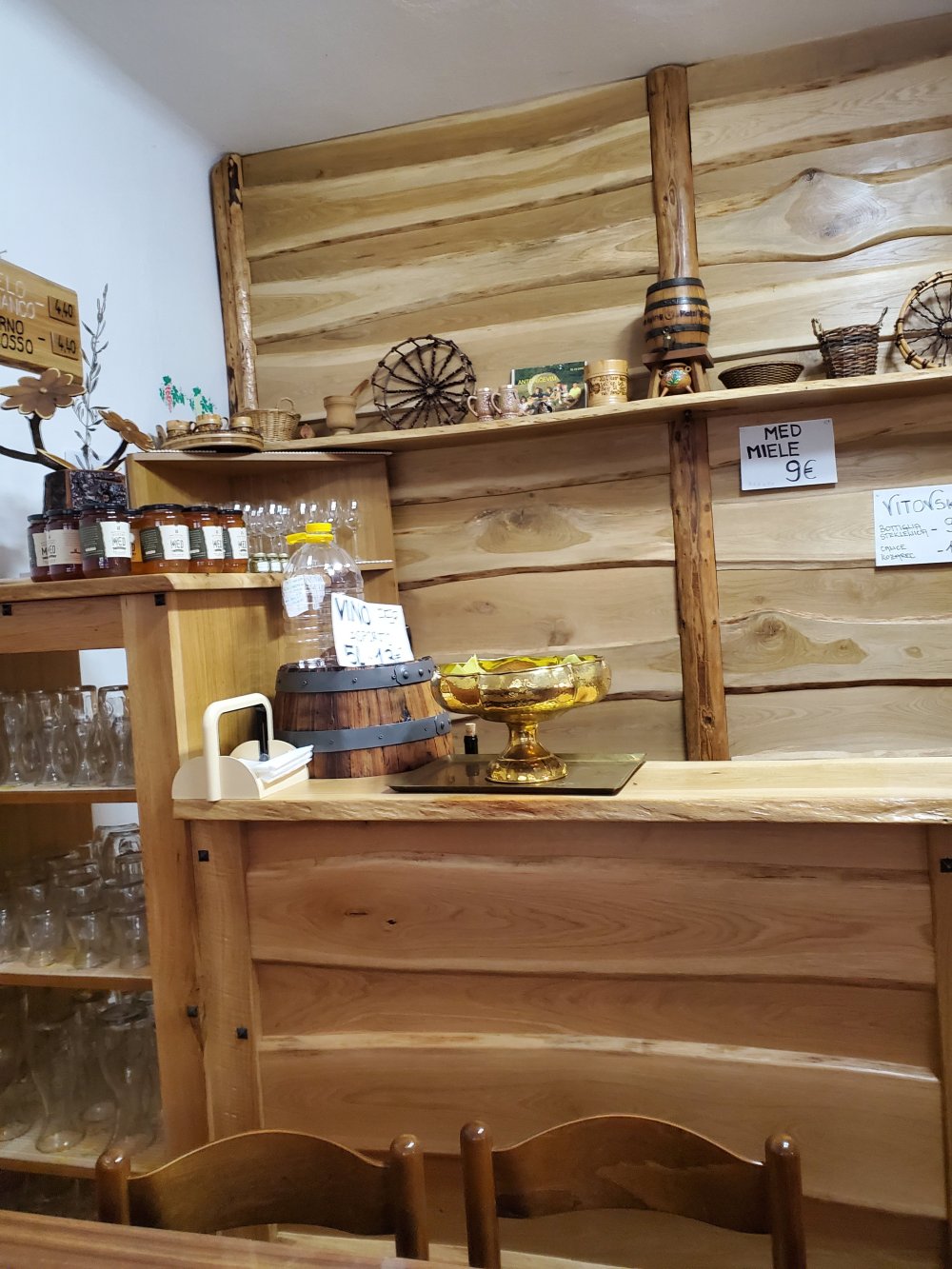
Trieste is a beautiful seaport city with a complicated history. It is just 12 miles from Slovenia, and has a wide mix of cultures. Trieste became an important music and literature center in the 19th century. Many writers, poets, and otherwise well known people have lived in Trieste: Italo Svavo and James Joyce among the more interesting.With all that said, it is a very cool, non-touristy place with excellent restaurants, bakeries, bookstores, and an arts scene that won’t really get underway for a few more weeks – late November.We had read about the osmisa, a tradition unique to the Trieste area. Osmisas are gathering places in a person’s home. Each day of the week, some of them are open. Anyone can go.We checked the osimisa website to see that of about 15 total, five of them were open near (30 minutes away) us today. We chose the one that sounded the most interesting (the owner makes honey, cheese, and salami) and set out. Like most, its open hours were pretty much all day: 9am-midnight.The osimisa was not easy to find, even with GPS. There are dirt roads, narrow passages, and unmarked roads, and then finally a small sign.We walked into the home sort of timidly. No problem – they welcomed us and the owner went to get his wife once he realized we spoke English.We ordered red wine (they make it), cheese and salami. We sat by the fireplace and it was a very interesting, very unique experience. People stopped in every few minutes for a quick glass of wine, or to sit and eat.We enjoyed our wine and snack (which turned out to be lunch) for about 45 minutes. I wished I had brought my book in from the car since it was a perfect reading setup. We left after paying €9.30 (about $12) for all we had.A traveling group of folk singers randomly stops in at osimisas during the week – in the early evening – and it would be fun to be in one when they showed up.photos: the center of the city at night; at the osimisa; interesting windows we walked past
Thursday: Siena

We left our fabulous Scandicci villa this morning and headed to the walled city of Siena where we will spend the next few days.

It is hard for me to believe that once again we parked our car and then hours later could not find the lot. Here’s how easily it can happen in a walled city: (1) park the car, (2) walk in via the grand arched entrance (there are about five of them in Siena, I have come to learn), (3) walk around inside the walled streets with very few cars, have lunch, walk into a few shops, walk along some narrow almost-alleys to look around, (4) decide to get the car and check in at our hotel.

Attempts to retrace our steps didn’t work. We had walked all over in the three hours we were there. Yes, we had taken photos of where we parked, but that that didn’t help because there are so many entrances to the walled city, each about a 15 minute walk.

I put the parking receipt address in my phone and it brought us to a lot on the other side of the city, maybe the main lot but not where we were parked.

It rained, sometimes very hard in the 90 minutes we were searching. Finally we saw an available taxi and I showed the driver our parking receipt. He knew where the lot was located based on its name, which my GPS didn’t recognize.

It turns out it was a surprisingly long 10- minute cab ride away. I don’t know how we would have found the car otherwise. We would likely still be walking around.

We checked in at our charming old hotel, our clothing stuck to us from the rain. The receptionist, Alicia, was a gem, telling us in her very sweet English that she would give us the “best room possible” and then she walked us to it (I guess so we wouldn’t get lost).

We will explore more of Siena tomorrow. We can leave our car at the hotel and use the map Alicia gave us.


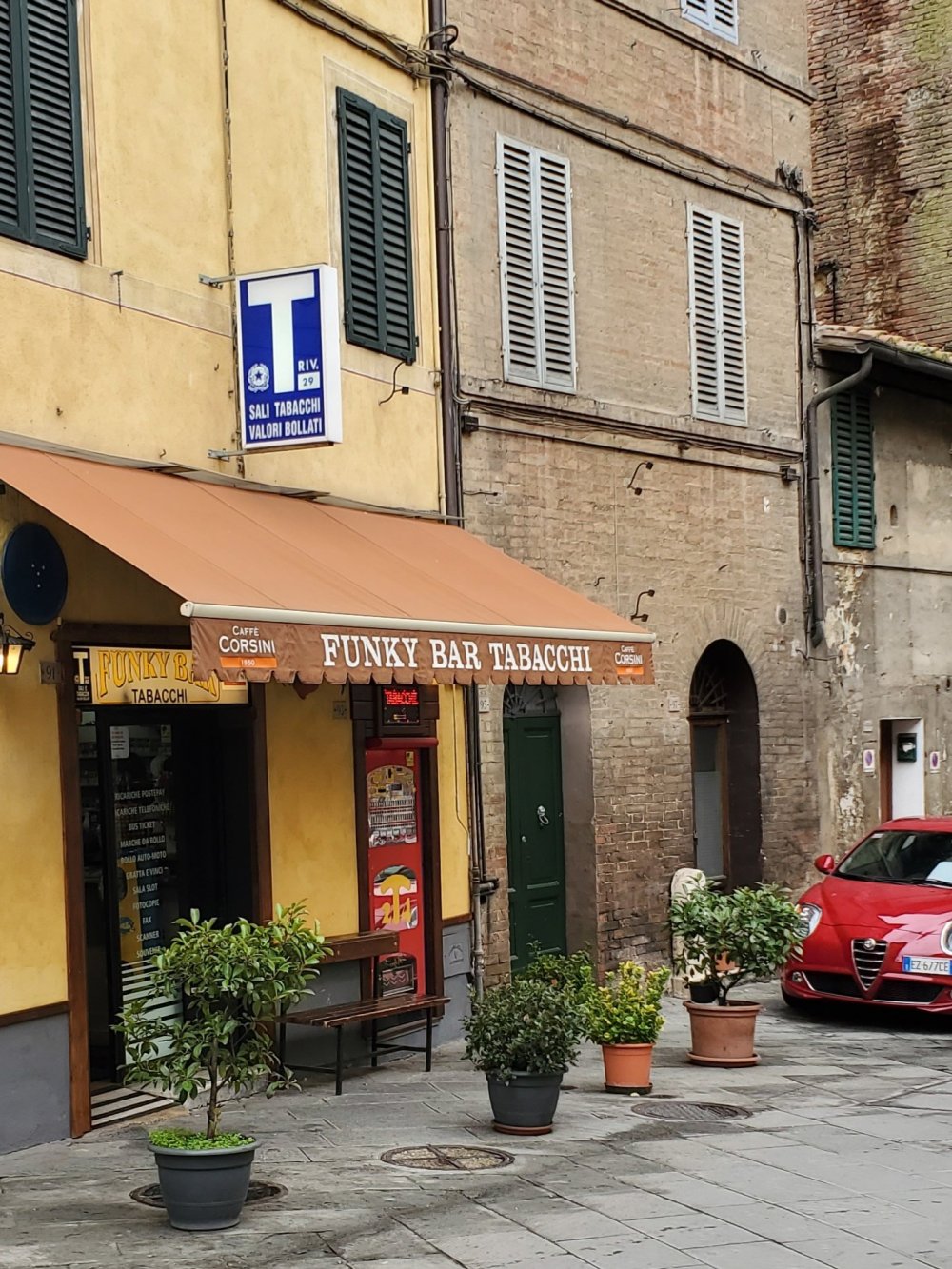
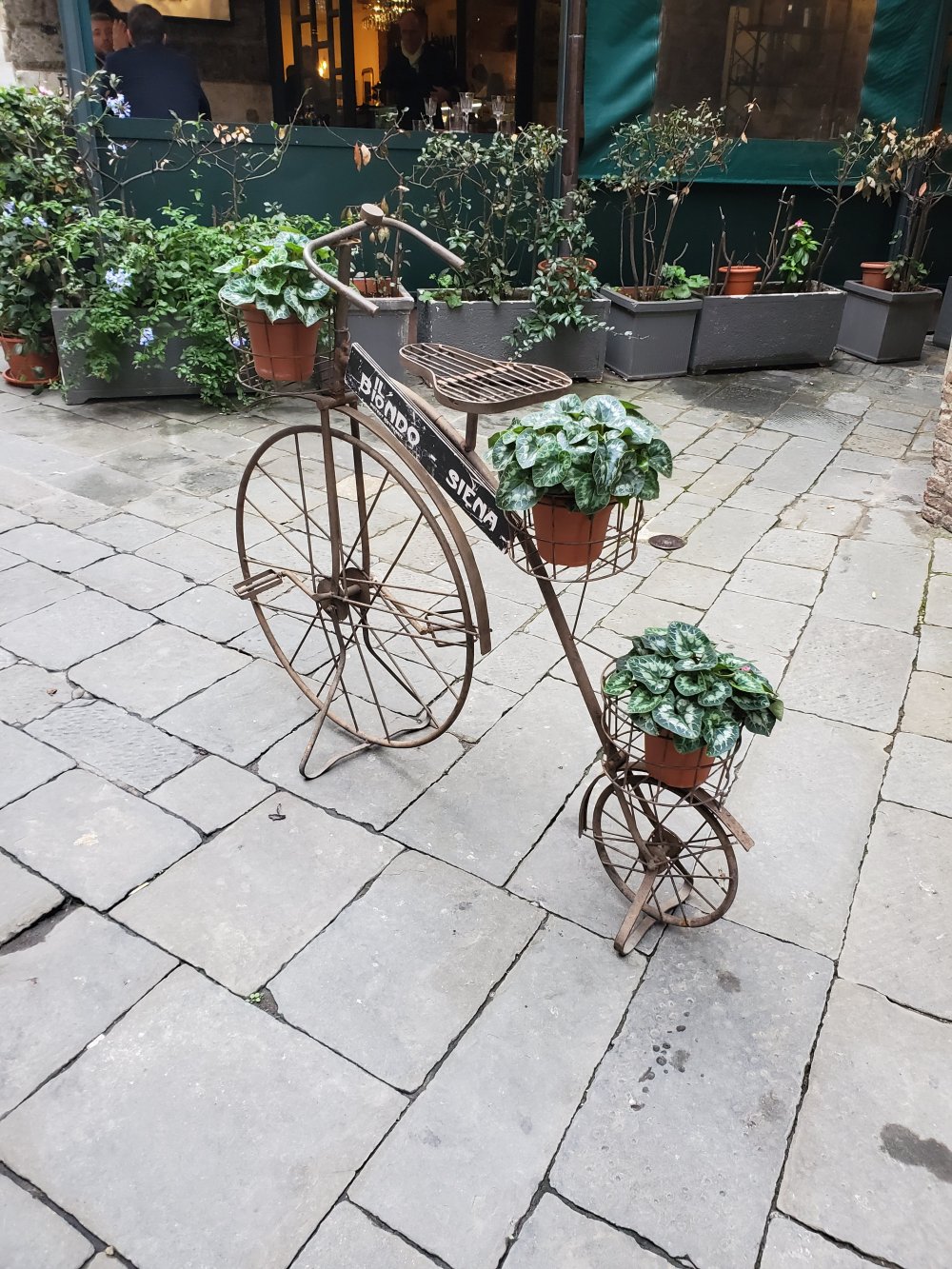
photos: bike outside a restaurant in Siena; lunch starter; this bar made me smile as we walked by

Monday: Barolo

20191021_150731

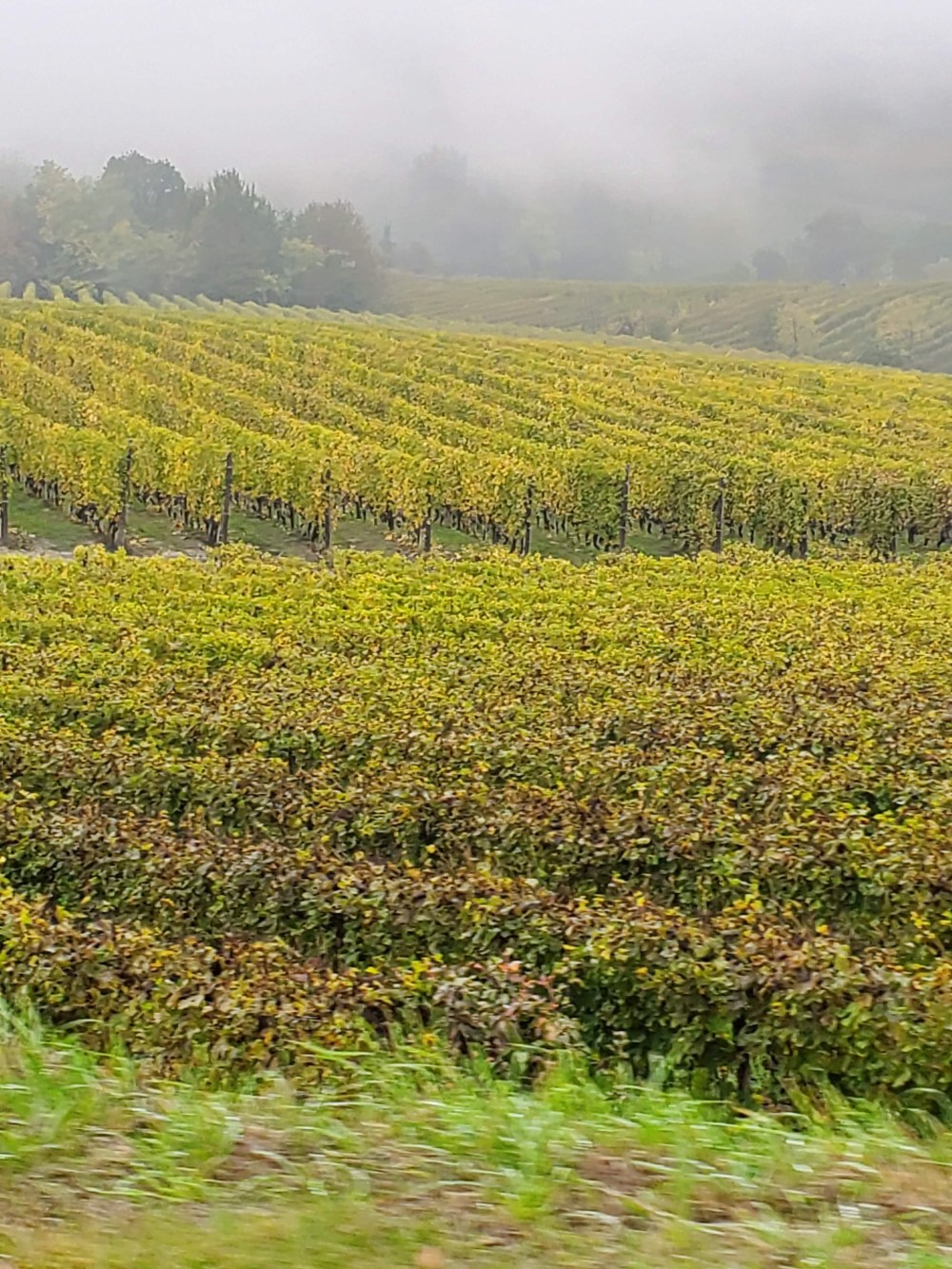
We drove from Alba to Barolo this morning, a quick half hour trip to a very charming wine city in the Piedmont area of Italy.
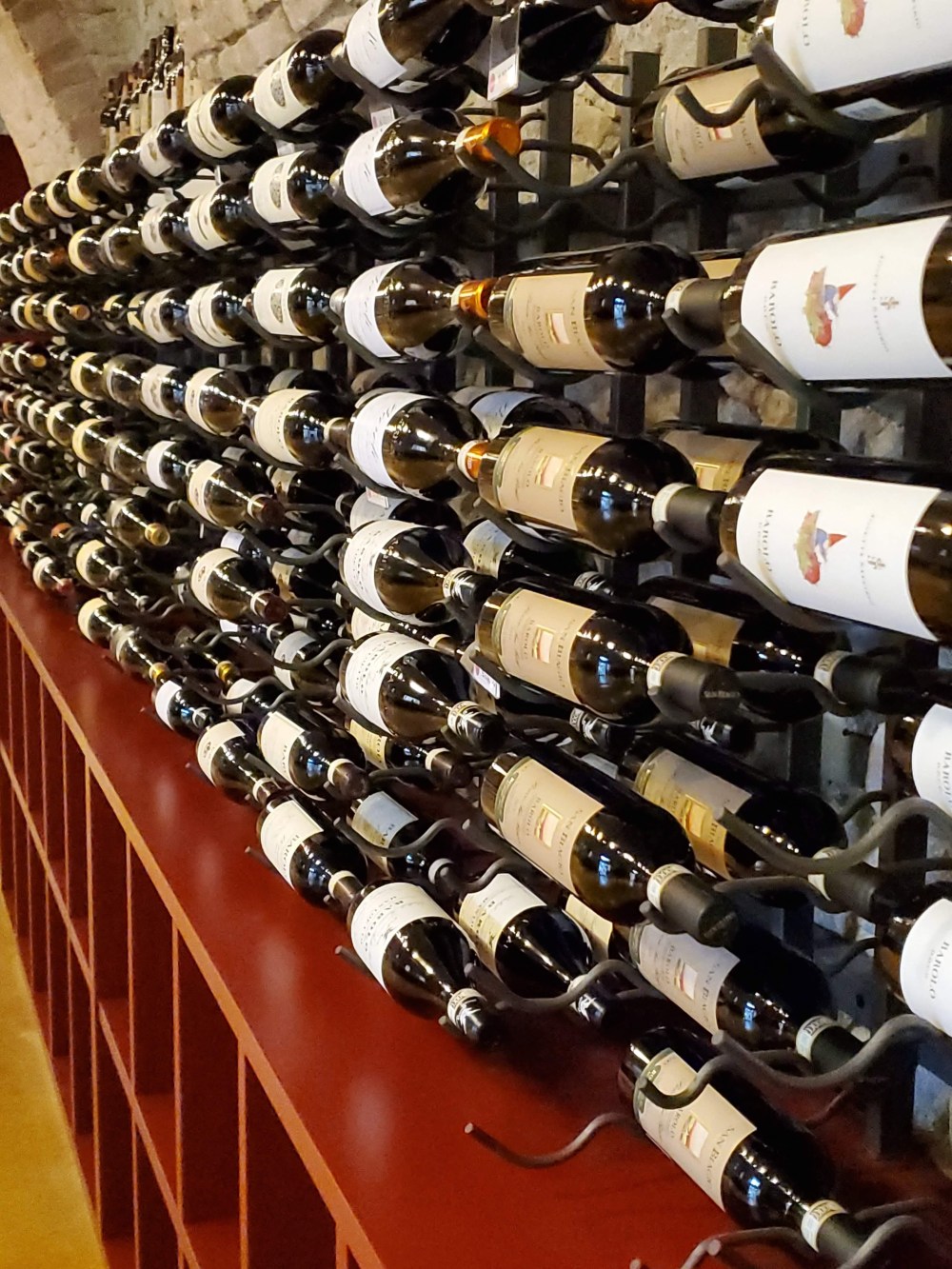
There was a fantastic wine museum there with information about the history of Italian wines of the area and some exhibits of how wine has been made through the years and ways it is used. There were just a small group of visitors there, so it was a good day to go.

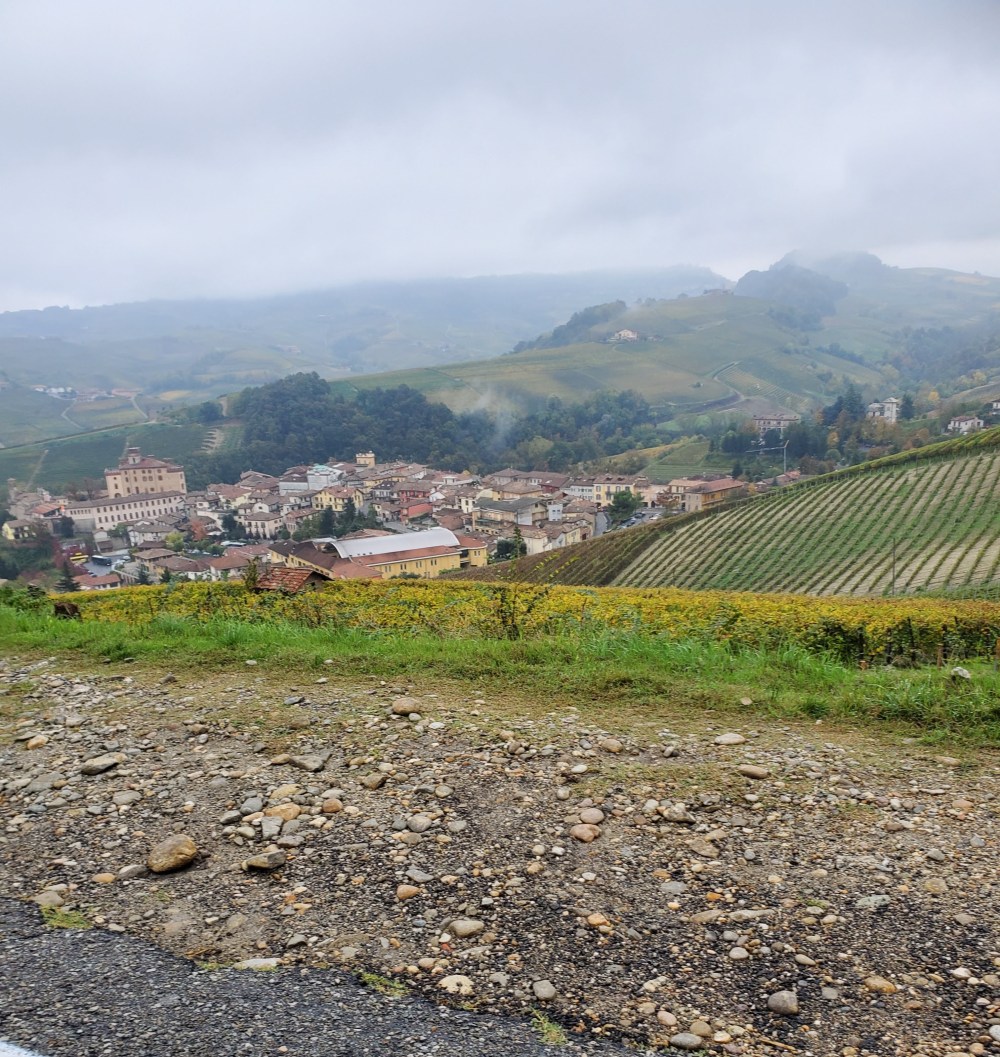
We explored Barolo on foot and found that the city itself is small. The vineyards around the city center are beautiful – we saw them as we drove around after lunch at a small restaurant we found.

We drove back to where we are staying, and Alba seems very quiet today after their wild tartufo festival yesterday.

20191021_13563420191021_113214