Wednesday: Budapest
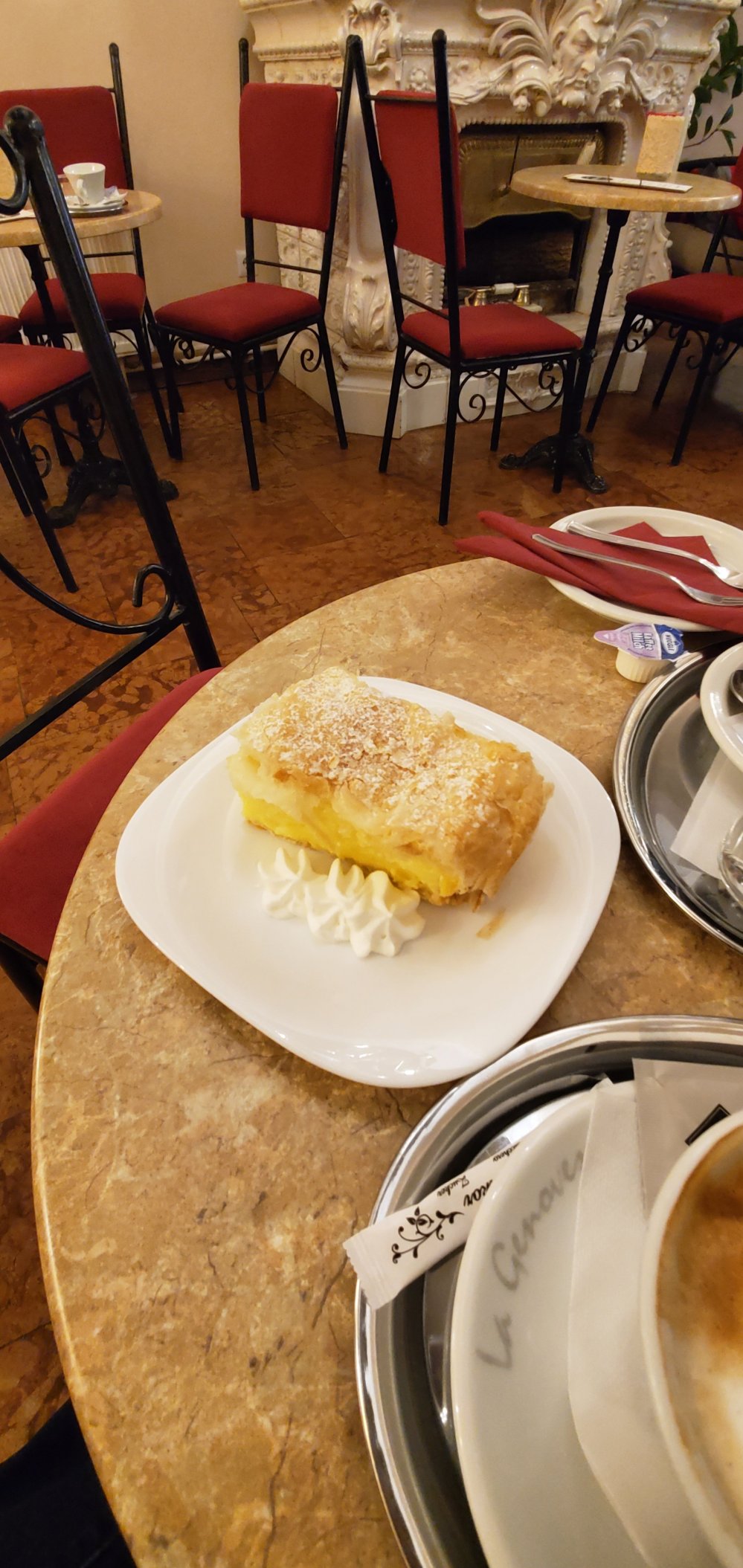
Yesterday our food tour guide mentioned the New York Cafe, a hotel and restaurant originally built in the late 1800s by the New York Life Insurance Company. The cafe is often mentioned as the most beautiful in the world, and it was once a place where influential newspaper writers and editors would meet. We decided to have breakfast there.
It is easy to see what draws people to the cafe. It is sensational, with beautiful Italian Renaissance-style architecture that is perfectly restored. Breakfast was good, but I was more interested in checking out the hotel lobby and taking in the elegant building.
After breakfast, we walked to the House of Parliament, about a half-hour away on the banks of the Danube River, and took a tour. Aside from checking out a courtroom and seeing the heavily guarded Holy Crown (no photos permitted) we learned of the importance of the number 96 to Hungary. No building can be built to be over 96 meters, so it is not higher than St. Stephen’s Basilica and the Parliament building – important to church and state. Additionally, the main staircase in to Parliament has 96 steps, and the number figures importantly in other ways too numerous to mention.
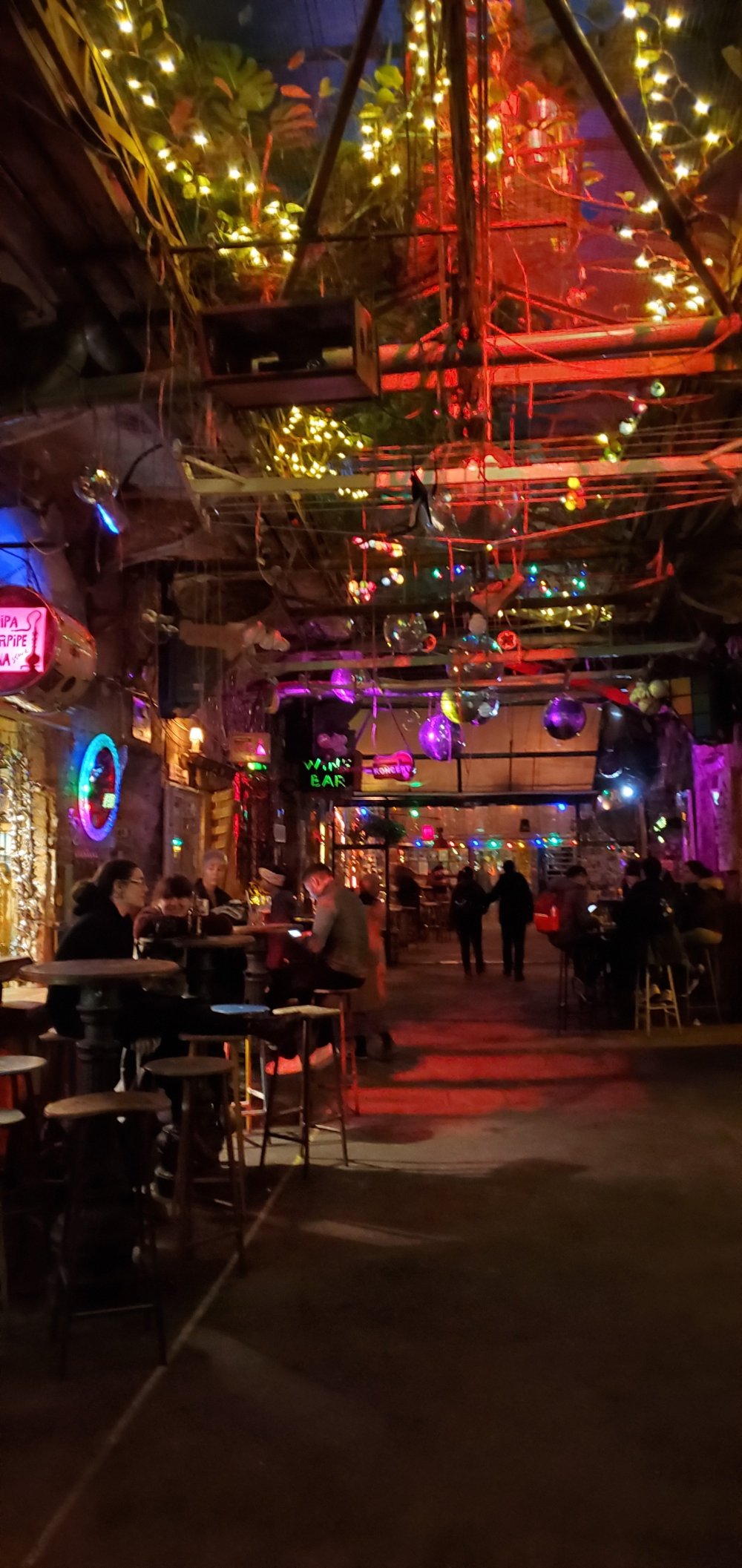
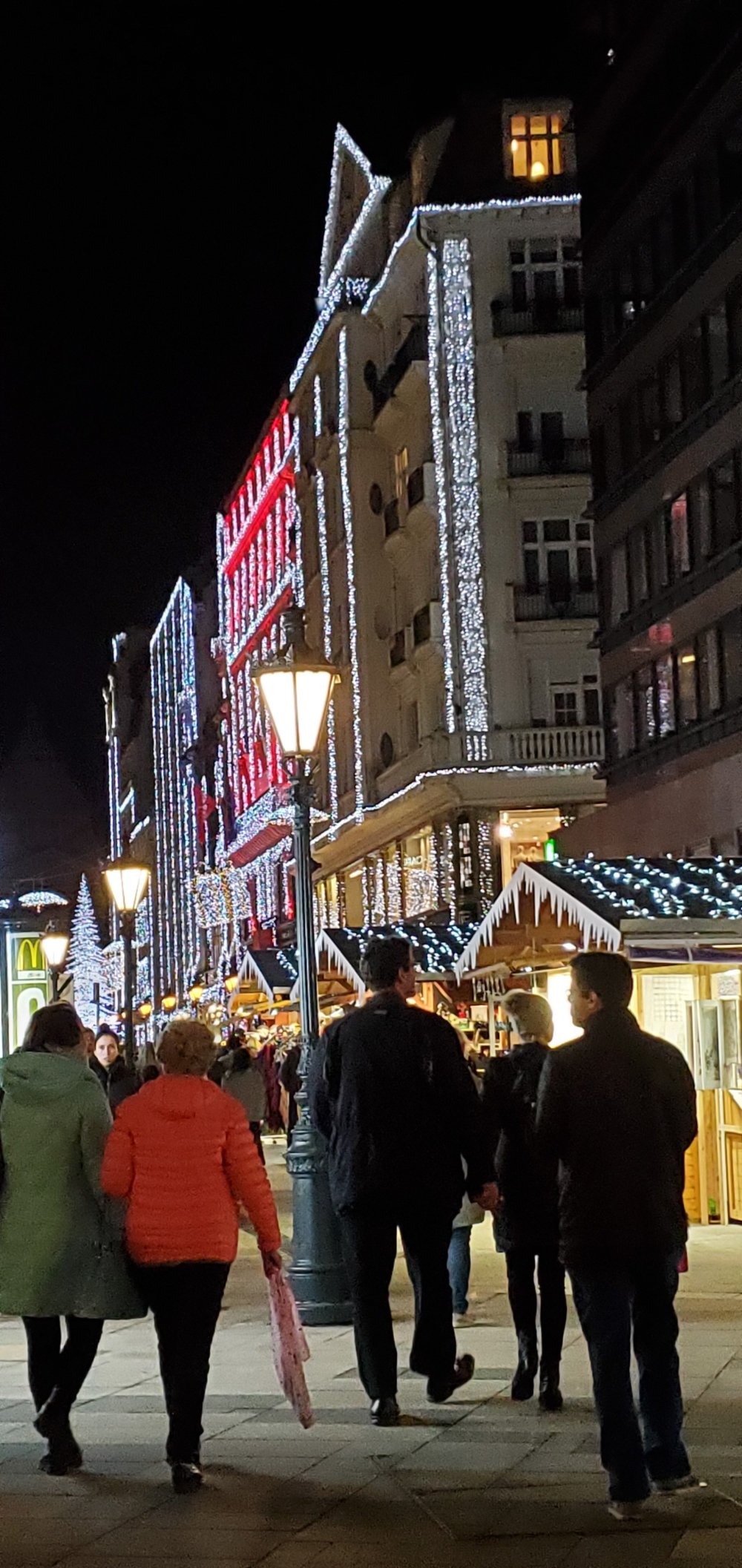
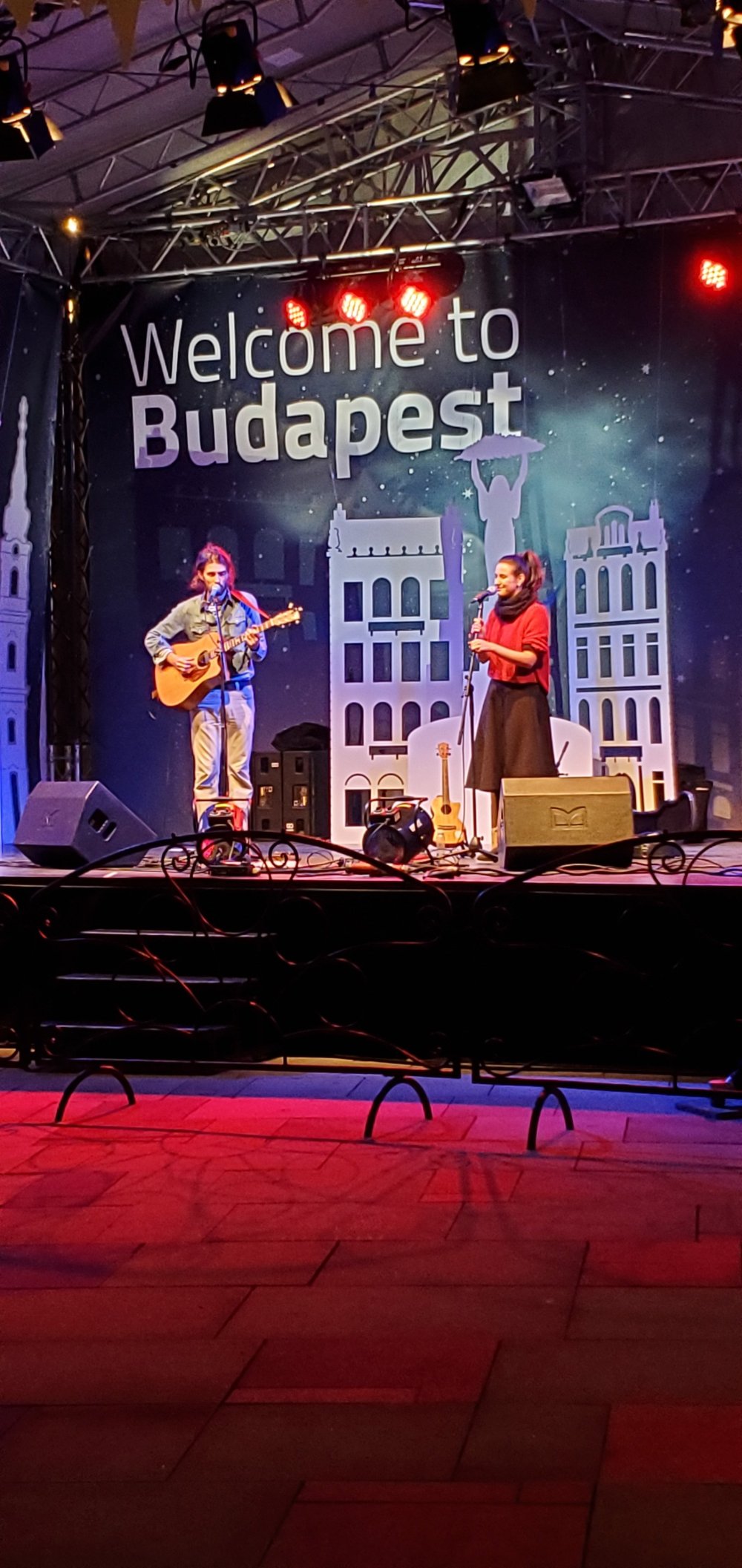
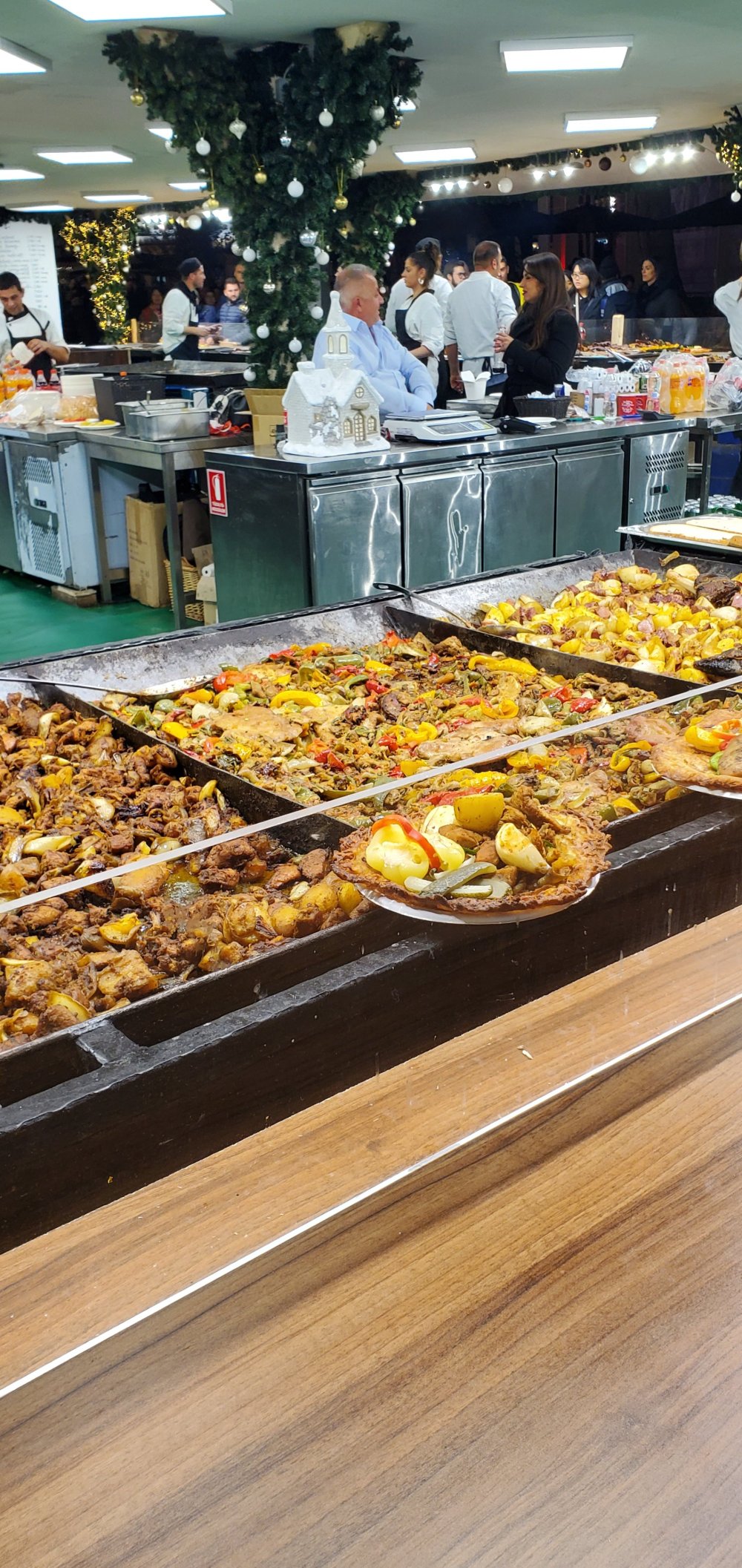
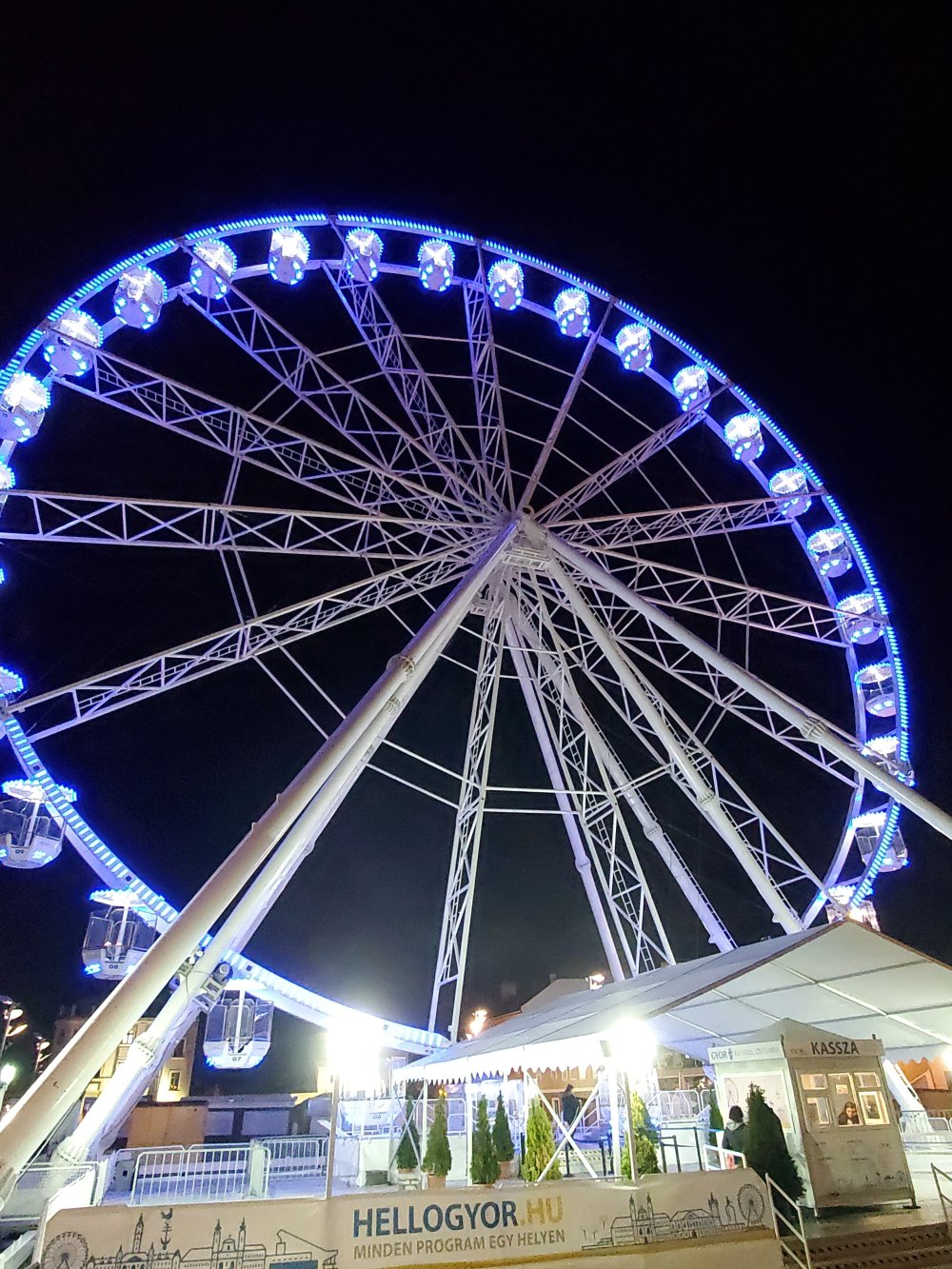
We had lunch and it was pouring rain when we left the restaurant. It was still raining this evening, and about half of the Christmas market vendors were not there as we walked by. Music at the market were two talented guys covering the Rolling Stones.

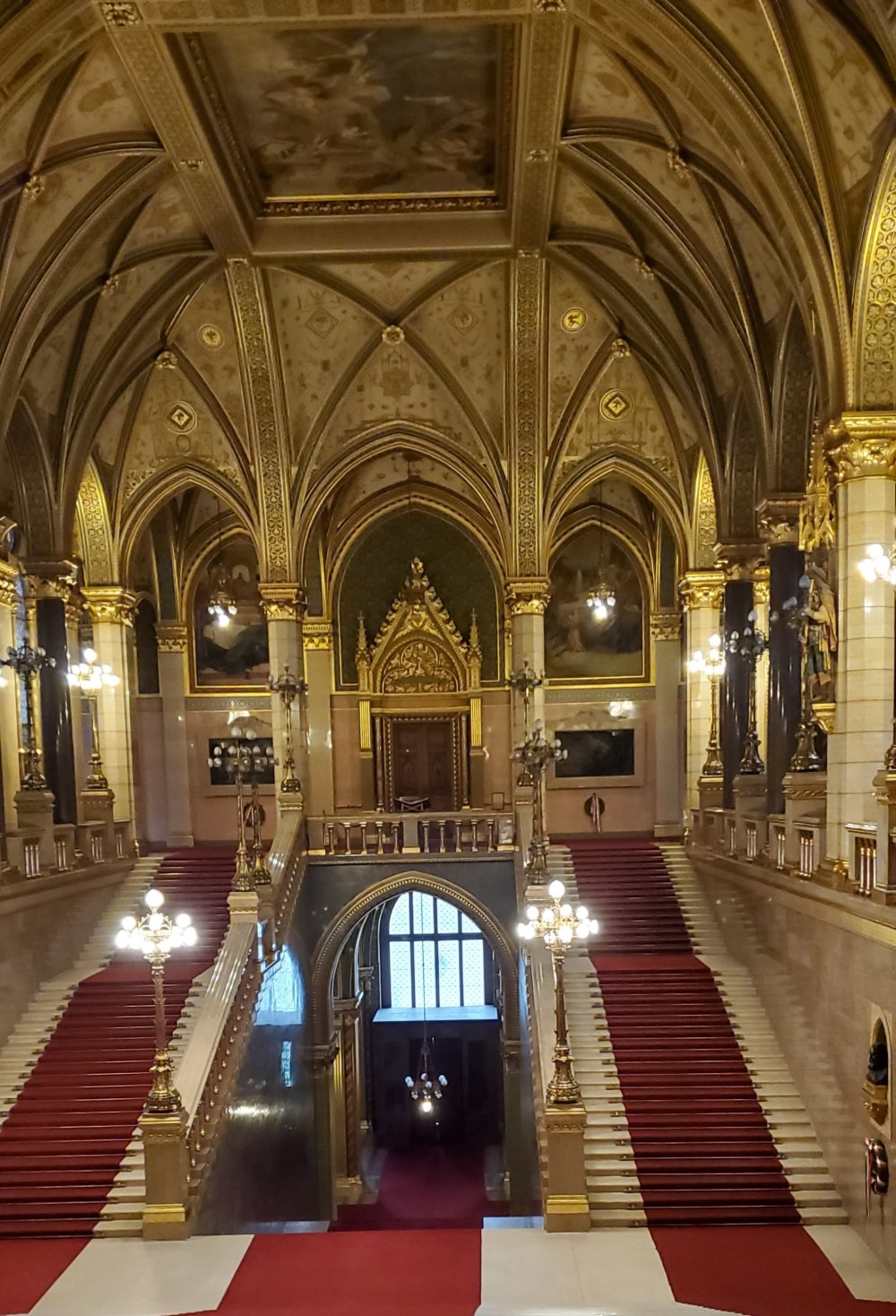
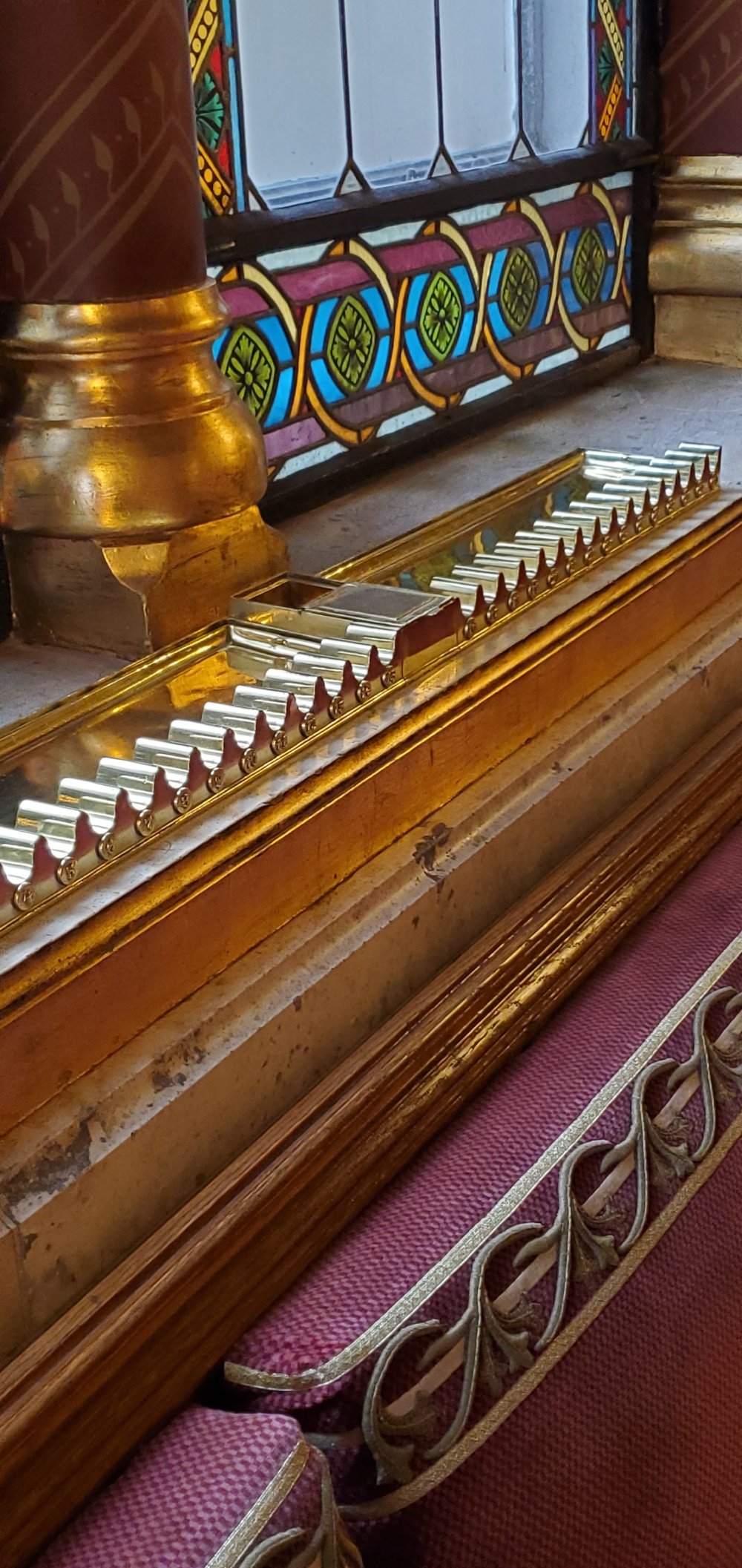
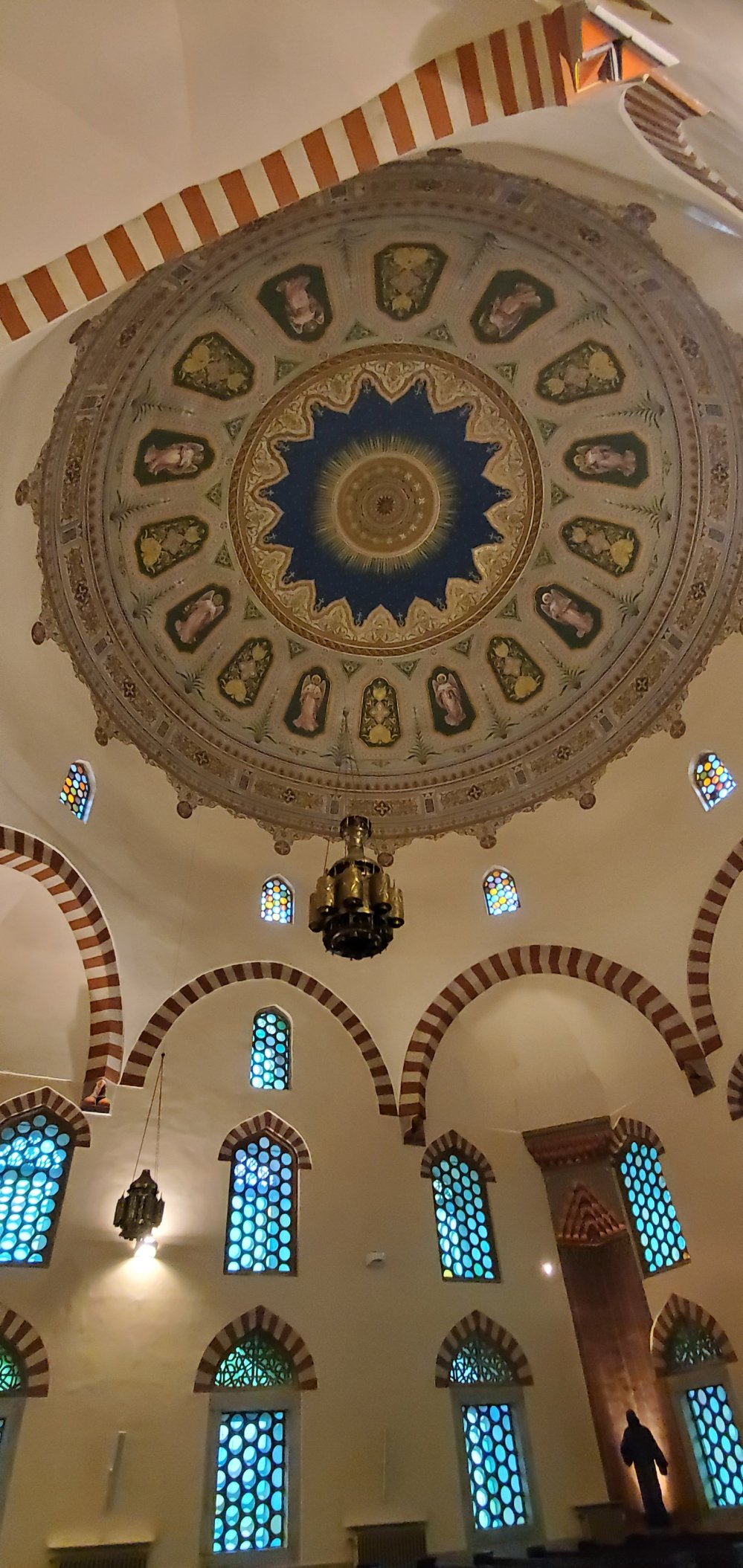
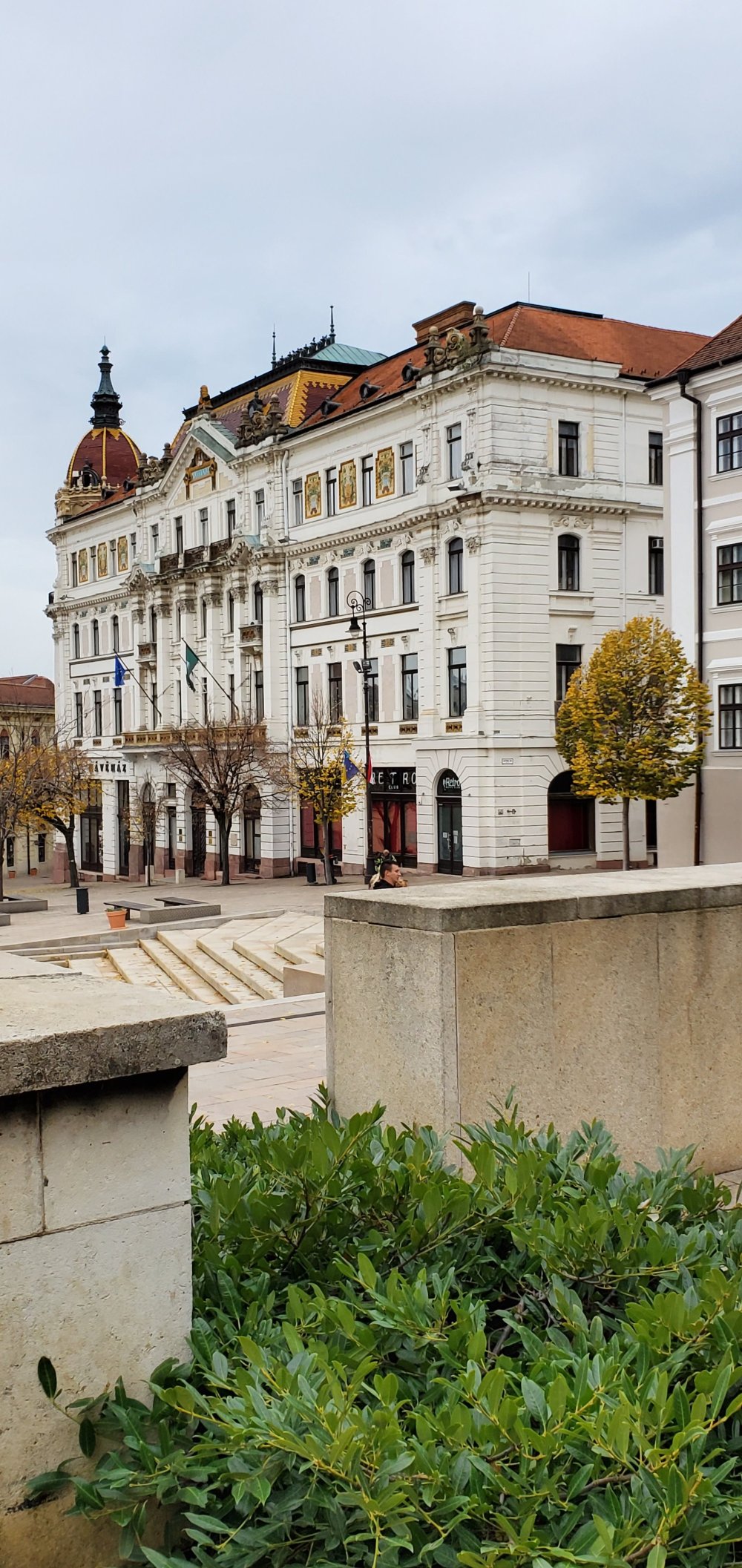
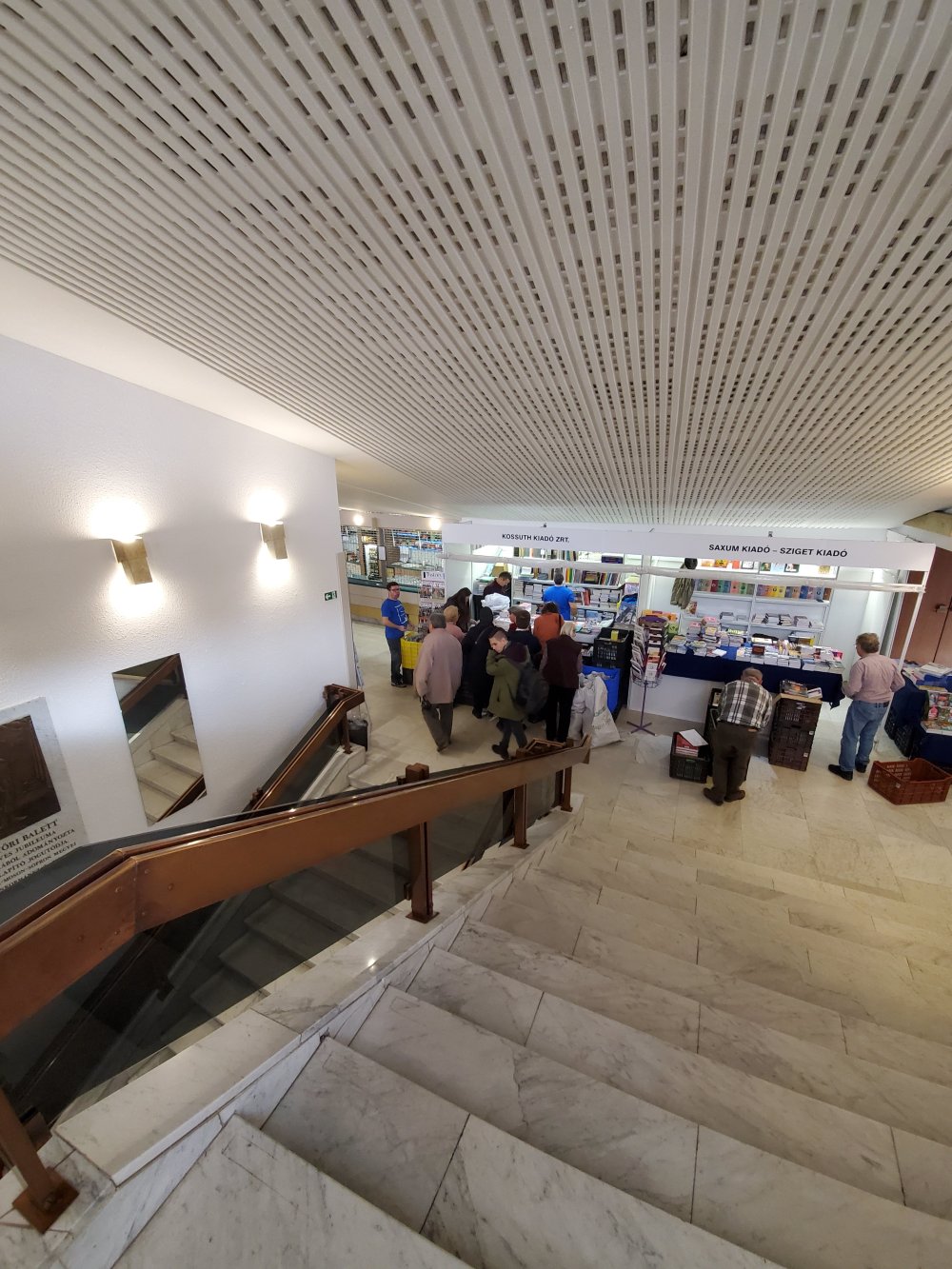
photos: Where members of Parliament put their cigars when they went into the courtroom. These numbered spots are still there because they are part of the wood; the New York Cafe – usually packed with people; the main entrance to the Parliament building, from inside
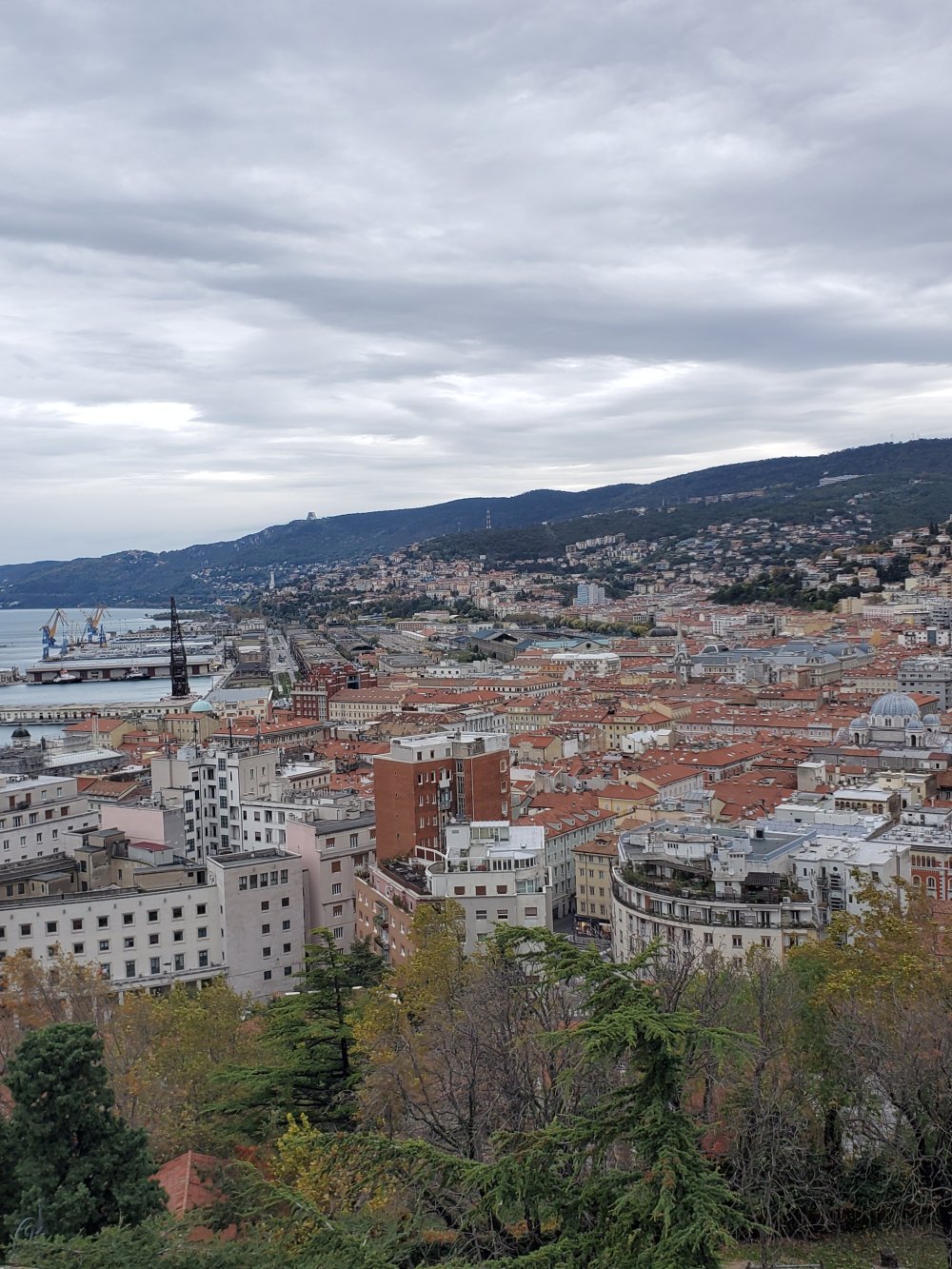
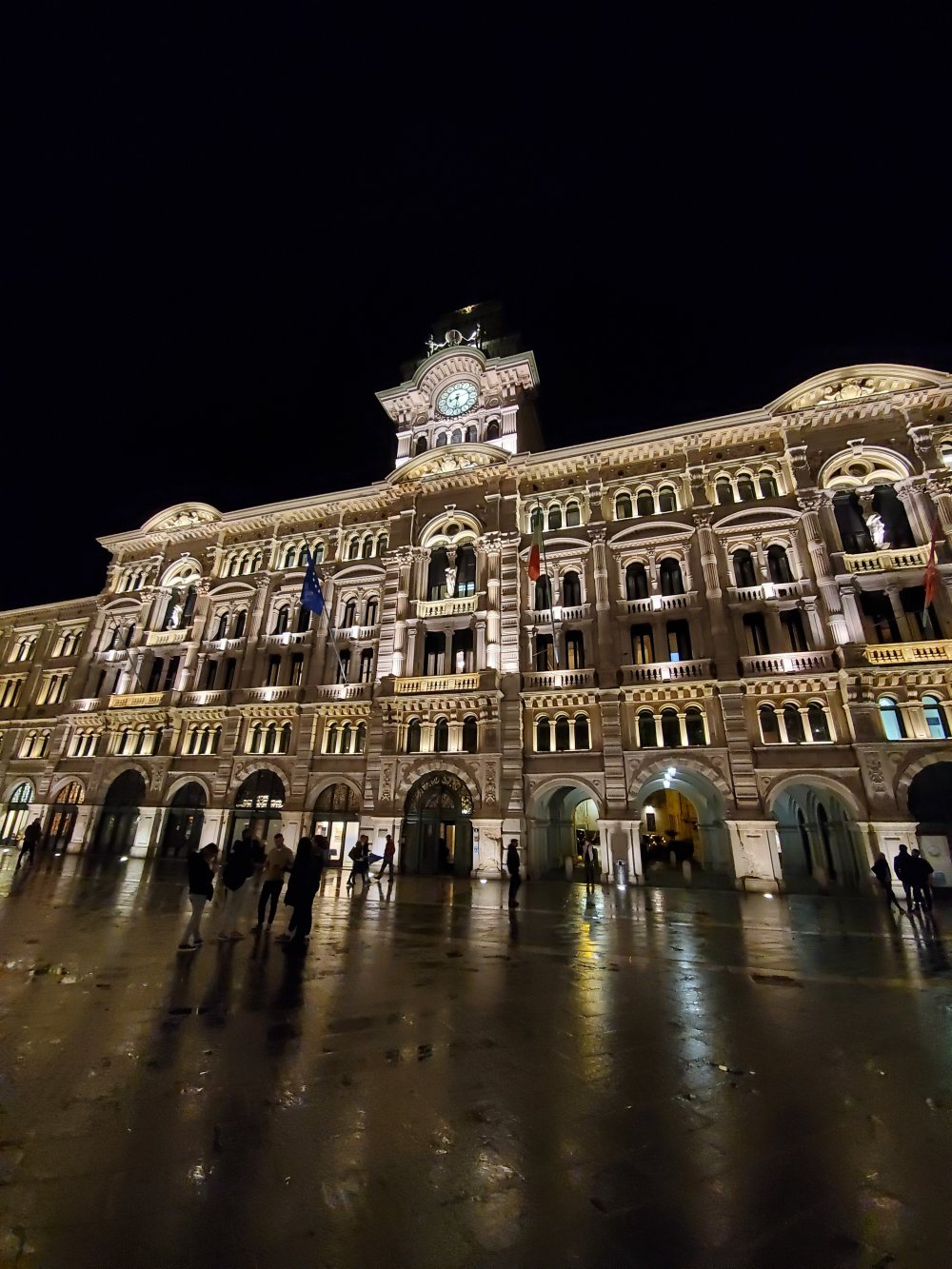 Trieste is a beautiful seaport city with a complicated history. It is just 12 miles from Slovenia, and has a wide mix of cultures. Trieste became an important music and literature center in the 19th century. Many writers, poets, and otherwise well known people have lived in Trieste: Italo Svavo and James Joyce among the more interesting.With all that said, it is a very cool, non-touristy place with excellent restaurants, bakeries, bookstores, and an arts scene that won’t really get underway for a few more weeks – late November.We had read about the osmisa, a tradition unique to the Trieste area. Osmisas are gathering places in a person’s home. Each day of the week, some of them are open. Anyone can go.We checked the osimisa website to see that of about 15 total, five of them were open near (30 minutes away) us today. We chose the one that sounded the most interesting (the owner makes honey, cheese, and salami) and set out. Like most, its open hours were pretty much all day: 9am-midnight.The osimisa was not easy to find, even with GPS. There are dirt roads, narrow passages, and unmarked roads, and then finally a small sign.We walked into the home sort of timidly. No problem – they welcomed us and the owner went to get his wife once he realized we spoke English.We ordered red wine (they make it), cheese and salami. We sat by the fireplace and it was a very interesting, very unique experience. People stopped in every few minutes for a quick glass of wine, or to sit and eat.We enjoyed our wine and snack (which turned out to be lunch) for about 45 minutes. I wished I had brought my book in from the car since it was a perfect reading setup. We left after paying €9.30 (about $12) for all we had.A traveling group of folk singers randomly stops in at osimisas during the week – in the early evening – and it would be fun to be in one when they showed up.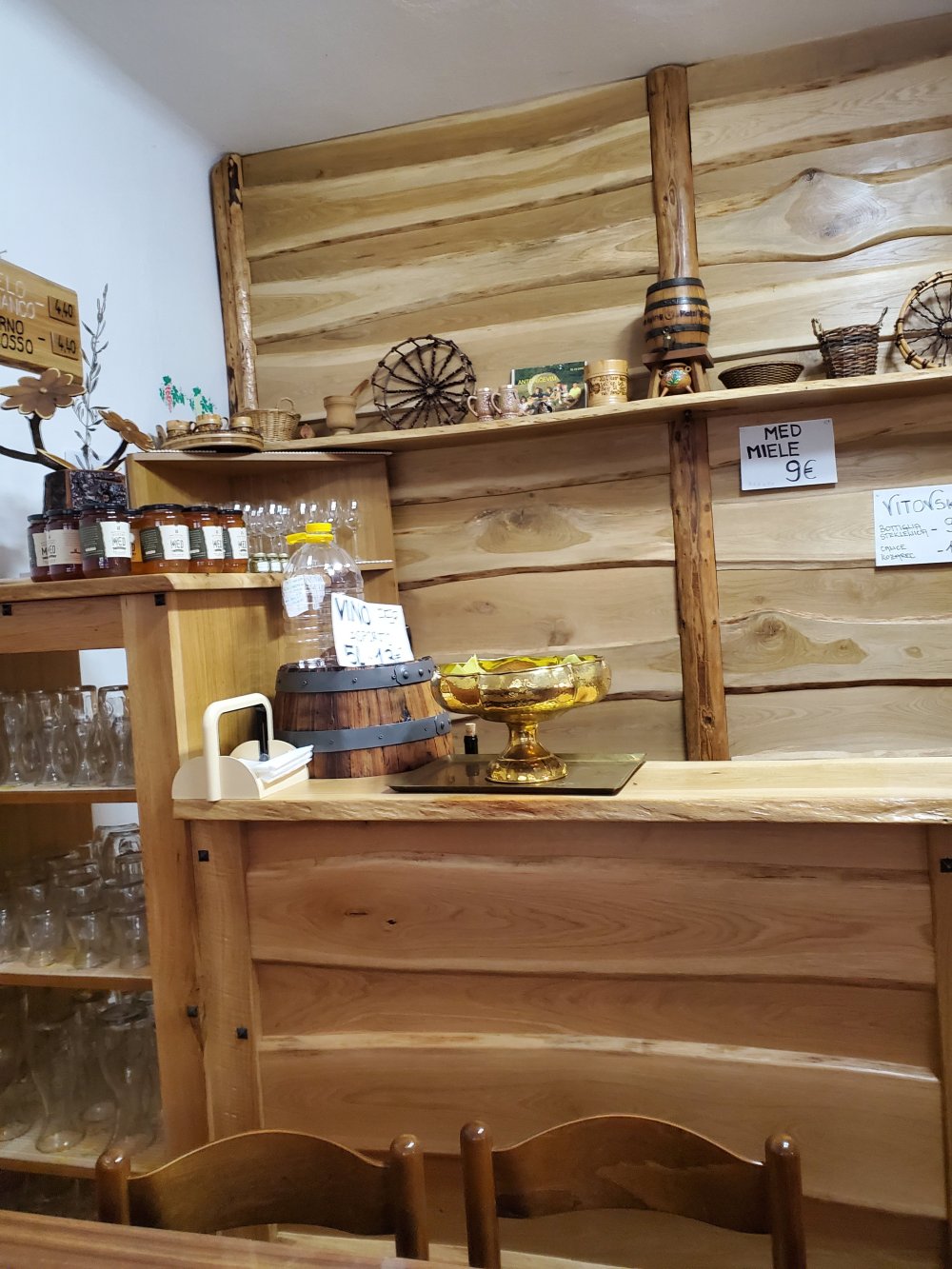
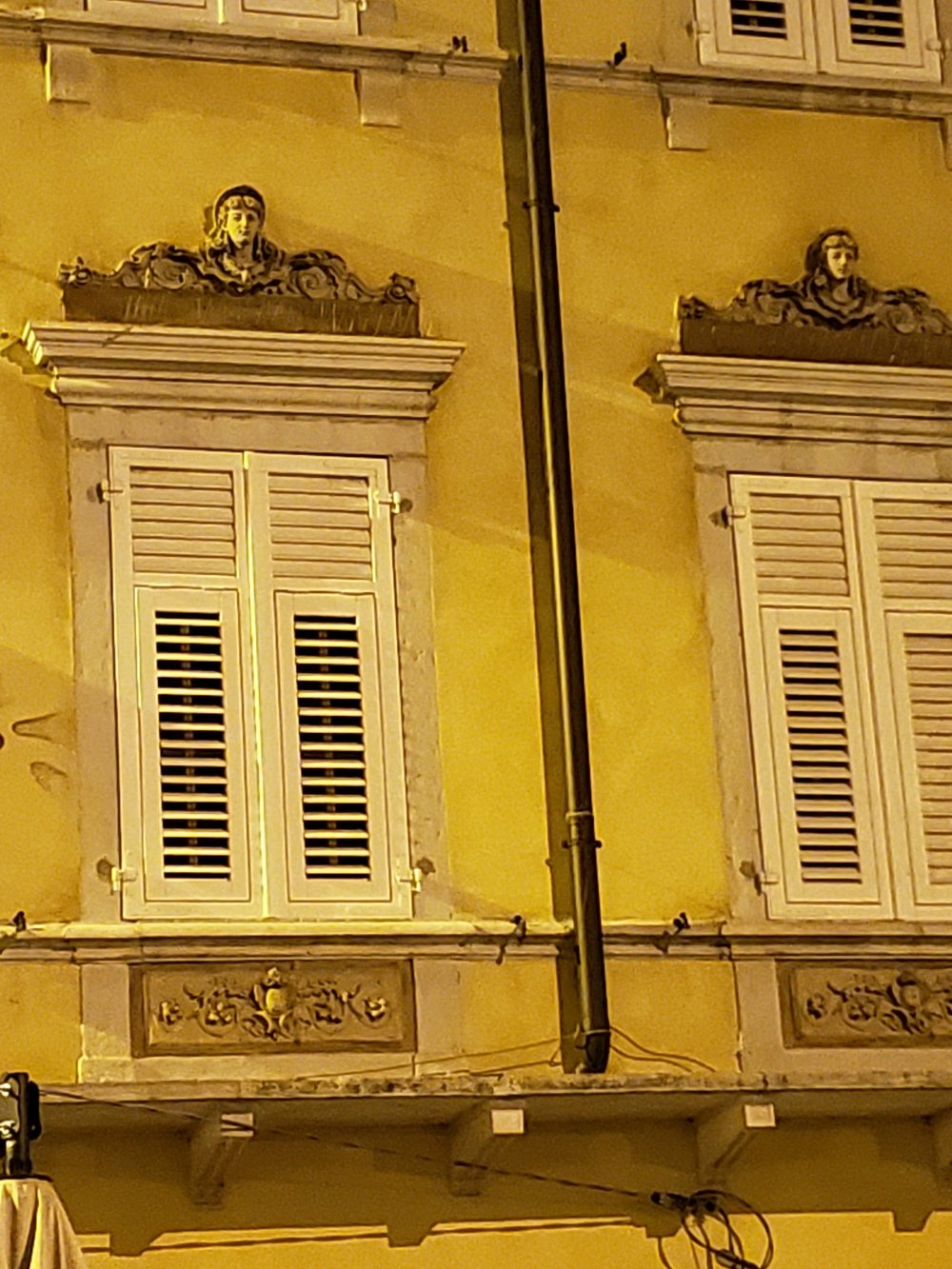 photos: the center of the city at night; at the osimisa; interesting windows we walked past
 Still Carrying On